January Birth Flowers: The First Blooms of a New Year
January begins with the promise of a new year. Its two traditional birth flowers reflect both sides of the month: the colorful, enduring carnation and the delicate snowdrop, one of the earliest flowers to appear as winter begins to loosen its hold.
AT A GLANCE
Love, devotion, hope.
The carnation for lasting affection.
The snowdrop for new beginnings.
January Birth Flowers at a Glance
- Primary Birth Flower: Carnation
- Secondary Birth Flower: Snowdrop
- Main Meanings: Love, resilience, hope, renewal, devotion
- Common Colors: Red, pink, white, yellow, purple (carnation); white with green markings (snowdrop)
- Typical Bloom Season: Winter through early spring
Carnation: January’s Colorful Birth Flower
Carnations have full, softly frilled blooms held on slender stems with narrow, grey-green leaves. Their natural coloring is pinkish purple, although cultivated varieties are available in red, white, yellow, green, deep purple, coral, and countless blended shades.
The carnation offers something that midwinter often lacks: vivid color. Its petals feel abundant and celebratory, yet the flower itself is remarkably durable. That combination of warmth and staying power makes it a fitting emblem for the opening month of the year.
The botanical name Dianthus caryophyllus gives the flower an appropriately celebratory identity. “Dianthus” comes from Greek words commonly interpreted as “divine flower” or “flower of the gods.” Their subtle fragrance is often compared with cloves or warm spices. Their strong stems, generous color range, and dependable vase life have also helped them remain a practical choice for birthday flowers.
Snowdrop: January’s Winter Birth Flower
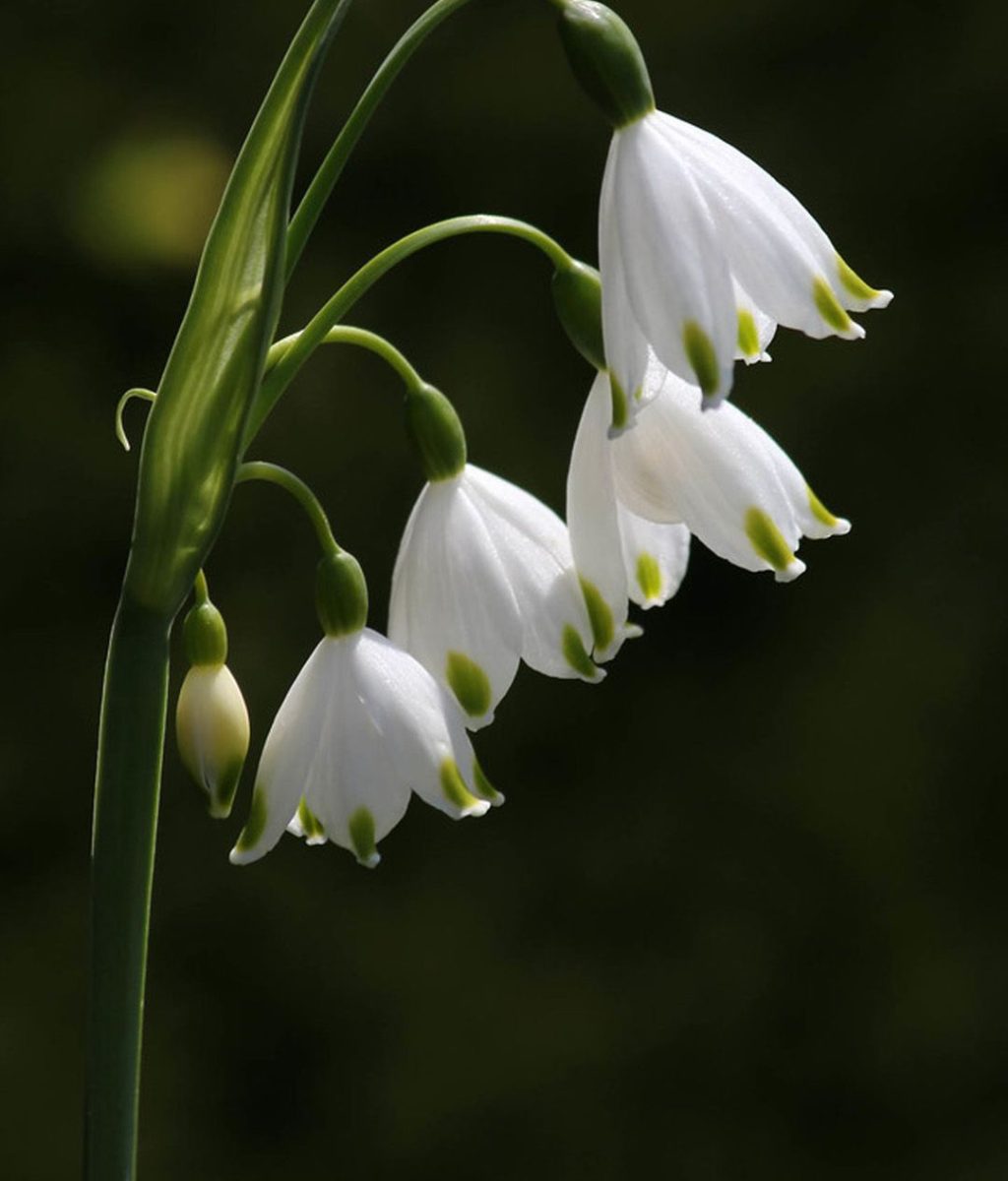
Snowdrops are small bulb-grown perennials with narrow green or grey-green leaves. Each slender stem usually carries a single white, bell-like flower that hangs downward, revealing shorter inner petals marked with green.
Different snowdrop species and cultivars bloom at different times, but many appear from January through early spring. Some can push into flower while snow is still lying on the ground, which is why they are frequently described as heralds of the coming spring.
Its meaning comes partly from its timing. A snowdrop does not need a garden filled with spring color to attract attention. Its significance lies in appearing early, when even a small flower can feel like evidence that change is already underway.

Why Winter’s First Flowers Represent Hope
Hope is sometimes presented as something bright and dramatic. January’s flowers offer a quieter interpretation.
Snowdrops begin their growth from energy stored below ground. Before much is visible above the soil, the plant has already prepared for its next season. Carnations tell a different version of the same story: their cheerful colors and sturdy cut stems bring warmth indoors when outdoor gardens may appear bare.
That is why winter flowers feel so closely tied to renewal. They do not deny the cold or pretend spring has fully arrived. Instead, they show that change can begin before the surrounding landscape looks different.
This also explains why January flower symbolism centers so strongly on endurance:
- Snowdrops demonstrate that delicate things can survive difficult conditions.
- Carnations show that affection can remain vivid and lasting.
- Bulbs remind us that important growth may take place out of sight.
- Early blooms turn small signs of progress into something worth noticing.
For people born at the start of the year, these flowers offer an especially fitting message: beginnings do not have to be loud to be meaningful.
Which January Birth Flower Makes the Best Gift?
The right choice depends on the recipient and the type of gift you have in mind.
Choose carnations when you want:
- A colorful hand-tied bouquet
- A long-lasting floral arrangement
- Several shades with different emotional meanings
- A flower that is easy to combine with roses, chrysanthemums, or winter greenery
Choose snowdrops when you want:
- A subtle garden gift
- A flower connected with hope or recovery
- A potted plant rather than a conventional bouquet
- A meaningful gesture for someone who appreciates seasonal plants
Another option is to combine the personalities of both flowers. A white-and-green bouquet can borrow the snowdrop’s calm appearance while using carnations as the practical focal flower.
A flower for every day
An older floral tradition assigns a specific bloom to every calendar day. Find your birthday below and the meaning it carries.
January 1
Carnation
Devotion, admiration, and a fresh beginning steadied by lasting strength.
January 2
Snowdrop
Hope, renewal, and quiet resilience through the coldest weeks.
January 3
Spring Crocus
Youthful joy, anticipation, and the courage to move first.
January 4
White Hyacinth
Sincerity, purity, and a calm, refined presence.
January 5
Hepatica
Confidence, trust, and quiet healing.
January 6
White Violet
Modesty, innocence, and faithful love.
January 7
White Tulip
Forgiveness, peace, and beginning again with grace.
January 8
Purple Violet
Loyalty, devotion, and quiet dignity.
January 9
Yellow Violet
Happiness, encouragement, and cheerful friendship.
January 10
Box Tree
Endurance, constancy, and reliable protection.
January 11
Arborvitae
Vitality, longevity, and steady shelter.
January 12
Sweet Alyssum
Gentleness, sweetness, and welcoming warmth.
January 13
Narcissus
Renewal, self-reflection, and new beginnings.
January 14
Cyclamen
Sincere affection and tender, lasting bonds.
January 15
Crown of Thorns
Endurance, sacrifice, and beauty through hardship.
January 16
Yellow Hyacinth
Cheerfulness, playfulness, and warmth in cold months.
January 17
Rumex
Patience, adaptability, and quiet persistence.
January 18
Indian Mallow
Resilience, warmth, and gentle protection.
January 19
Japanese Red Pine
Longevity, strength, and noble endurance.
January 20
Buttercup
Cheerfulness, charm, and youthful joy.
January 21
Boston Ivy
Attachment, endurance, and faithful connection.
January 22
Moss
Patience, quiet growth, and maternal comfort.
January 23
Red Bulrush
Flexibility, resilience, and grounded balance.
January 24
Saffron Crocus
Joy, patience, refinement, and hidden value.
January 25
Cerastium
Purity, simplicity, and quiet beauty.
January 26
Mimosa
Sensitivity, security, and quiet confidence.
January 27
Rowan
Wisdom, courage, and spiritual strength.
January 28
Black Poplar
Courage, endurance, and transformation.
January 29
Moss
Tenderness, patience, and quiet devotion.
January 30
Marsh Marigold
Cheerfulness, warmth, and the promise of spring.
January 31
Spring Crocus
Joy, youthfulness, and bright new starts.
All 24 Blooms
Explore More Birth Flowers
FAQ
Frequently asked
The carnation is generally listed as January’s primary birth flower. The snowdrop is widely recognized as the month’s secondary flower.
In the daily calendar used on this page, January 15 is associated with the crown of thorns. Its thorny stems and colorful bracts contribute to meanings of protection, fortitude, and personal transformation.
They can. Floral symbolism is influenced by local customs, growing seasons, folklore, and the language of flowers used in a particular region. Carnation and snowdrop are the most common January pairing in English-language guides, but other traditions may emphasize different plants or meanings.
Carnations are usually the most practical choice. They are available in numerous colors, work well with many other flowers, and are easier to source as cut stems. Snowdrops are better suited to a small seasonal arrangement or a responsibly grown potted gift.
No. Snowdrops should not be eaten. Parts of the plant contain compounds that can cause illness, so they should be treated as ornamental plants and kept away from children or pets likely to chew them.