Sweet Pea: April's Fragrant Birth Flower
Few flowers capture the feeling of spring quite like the sweet pea. As one of April’s traditional birth flowers, it is loved less for bold, dramatic blooms and more for the experience it creates. Delicate petals, a soft climbing habit, and a fragrance that lingers in the air have made sweet peas favorites in gardens and bouquets for centuries.
Sharing April with the daisy, the sweet pea offers an entirely different personality. While daisies are cheerful and uncomplicated, sweet peas feel romantic, nostalgic, and wonderfully seasonal. Their vines weave through trellises, arches, and garden frames, producing flowers that are just as memorable for their scent as their appearance.
AT A GLANCE
Love, admiration, devotion.
A cherished flower for celebrating life's special moments.
Why Sweet Peas Leave Such a Lasting Impression
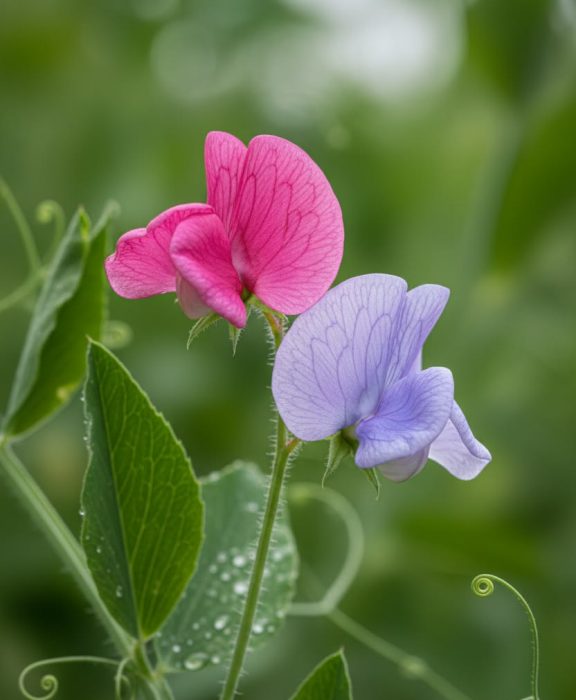
Many flowers catch the eye, but sweet peas are remembered for something less obvious—their fragrance.
Walk past a flowering vine on a cool spring morning or early evening, and you’ll often notice a perfume that’s light, fresh, and surprisingly complex. Depending on the variety, it may carry hints of honey, orange blossom, green leaves, or soft floral notes. It’s a scent that’s difficult to recreate artificially, which is why freshly picked sweet peas remain so popular despite their relatively short vase life.
Their climbing nature adds to the appeal. Instead of growing as compact plants, sweet peas send out delicate tendrils that wrap around supports, creating walls of color, flowering tunnels, or fragrant screens. They bring movement and height to a garden without feeling heavy or formal. That combination of scent, graceful growth, and pastel blooms gives sweet peas a character few other spring flowers can match.
Guide to the Sweet Pea Flower
The Meaning Behind the Sweet Pea Birth Flower
Like many traditional birth flowers, the sweet pea became associated with emotions that people wanted to express through flowers rather than words. Its most widely accepted meanings include:
- Gratitude for kindness, hospitality, or support.
- Friendship that has grown stronger over time.
- Pleasure in spending time with someone.
- Warm farewells when moving away, graduating, or beginning a new chapter.
- Good wishes for future happiness.
Unlike flowers associated primarily with romance, sweet peas feel versatile. A bouquet can celebrate a close friend just as naturally as a family member, teacher, colleague, or partner.
Choosing the Right Sweet Pea
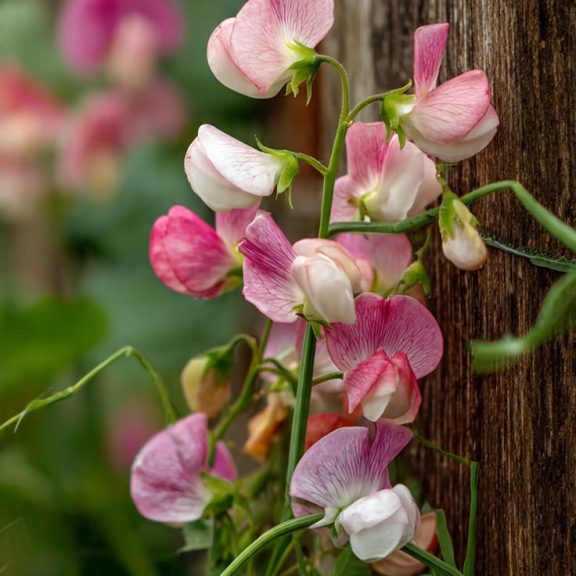
Not every sweet pea offers the same experience. Some varieties are grown for exceptional fragrance, while others are prized for long stems, unusual colors, or compact growth. Before choosing seeds or plants, think about what matters most to you.
|
If your priority is… |
Choose varieties that offer… |
|
Strong fragrance |
Heirloom or fragrance-focused selections |
|
Cut flower bouquets |
Long-stemmed Spencer varieties |
|
Small patios or balconies |
Compact or dwarf cultivars |
|
Bold garden displays |
Rich purple, burgundy, navy, or bi-colored flowers |
|
Wedding arrangements |
White, blush, pale pink, and lavender blooms |
A seed packet often tells you far more than the flower color alone. Check the expected height, flowering season, fragrance description, and whether the plant needs a climbing support before planting. Choosing the right variety from the beginning usually leads to better results than selecting solely based on appearance.
Growing Sweet Peas for the Best Display
Sweet peas are generous plants when given the conditions they enjoy most.
Because they naturally climb, they need something slender enough for their tendrils to wrap around. Trellises, netting, bamboo canes, arches, and wire supports all work well. Smooth walls or solid fences provide little for the vines to grip unless additional support is installed.
Where you place them can make a surprising difference. Planting sweet peas beside a pathway, entrance, or seating area allows their fragrance to become part of the everyday garden experience instead of remaining hidden in a distant flower bed.
Regular picking is another secret to longer flowering. As flowers fade, the plant begins producing seed pods. Once that process starts, blooming gradually slows. Harvesting stems frequently delays seed production and encourages the plant to continue producing fresh flowers.
For the longest display:
- Pick blooms every few days during peak flowering.
- Remove faded flowers before seed pods develop.
- Water consistently during dry periods.
- Grow them in fertile, well-drained soil.
- Give vines plenty of sunlight and strong support.
Container growing is also possible, particularly with compact varieties. Choose a deep pot with good drainage, use quality potting mix, and install a sturdy climbing frame from the beginning. Because containers dry out faster than garden beds, regular watering becomes especially important.
A Flower With Mediterranean Roots and Worldwide Appeal
Although many people associate sweet peas with English cottage gardens, their story begins much farther south.
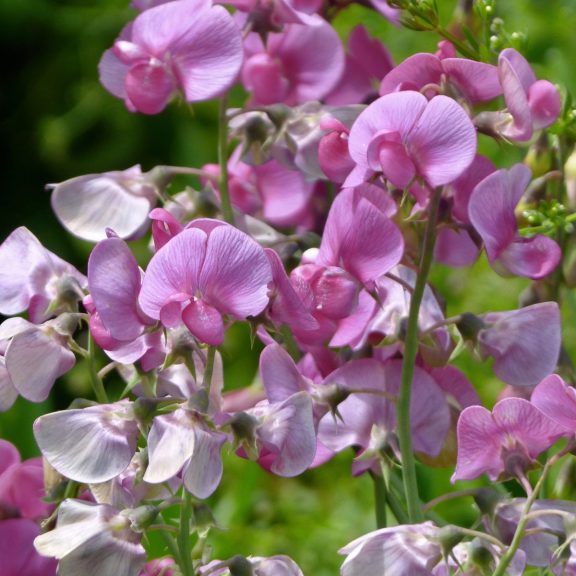
The species Lathyrus odoratus originated in parts of the Mediterranean, including Sicily and southern Italy. Early gardeners admired the plant primarily for its remarkable fragrance rather than its appearance.
Over time, plant breeders introduced hundreds of new cultivars featuring larger blooms, longer stems, wider color ranges, and improved garden performance. Victorian gardeners embraced sweet peas enthusiastically, and flower shows eventually turned them into one of Britain’s most celebrated seasonal blooms.
Today’s gardeners can choose from hundreds of varieties, each offering its own balance of fragrance, flower size, color, and growth habit.
When Sweet Peas Make the Perfect Gift
Some flowers make a statement through dramatic size. Sweet peas leave an impression through thoughtfulness. Because they symbolize appreciation and good wishes, they’re especially suitable when the occasion is personal rather than extravagant.
Their naturally curved stems and delicate flowers also give arrangements a relaxed, garden-picked appearance that feels fresh rather than overly formal. While sweet peas don’t last as long in a vase as some cut flowers, that’s part of their charm. They remind us to appreciate a beautiful moment while it’s here, a quality that perfectly matches their traditional symbolism.
All 24 Blooms
Explore More Birth Flowers
FAQ
Frequently Asked Questions - Sweet Pea
Sweet peas bloom during spring in many regions and have long been associated with gratitude, happiness, and good wishes, making them a traditional birth flower for April.
The flower commonly represents gratitude, friendship, pleasure, appreciation, warm farewells, and wishing someone happiness in the future.
No. Fragrance varies considerably between cultivars. Some heirloom varieties produce an intense perfume, while others are grown mainly for color or flower size.
Yes. Compact varieties perform well in large containers with fertile soil, regular watering, and a sturdy climbing support.
Frequent harvesting delays seed production, allowing the plant to continue producing new flowers for a longer period.