Peony: November's Luxurious Birth Flower
The peony is one of November’s birth flowers, admired for its enormous, layered blooms, rich fragrance, and remarkable longevity. Unlike many flowers that shine for only a few seasons, peonies become more impressive with time. Mature plants produce larger blooms, stronger stems, and increasingly spectacular floral displays, making them one of the longest-lived ornamental perennials found in home gardens.
AT A GLANCE
Love, admiration, devotion.
A cherished flower for celebrating life's special moments.
Why Some Peonies Outlive the People Who Plant Them
Many flowering plants need replacing every few years. Peonies are different.
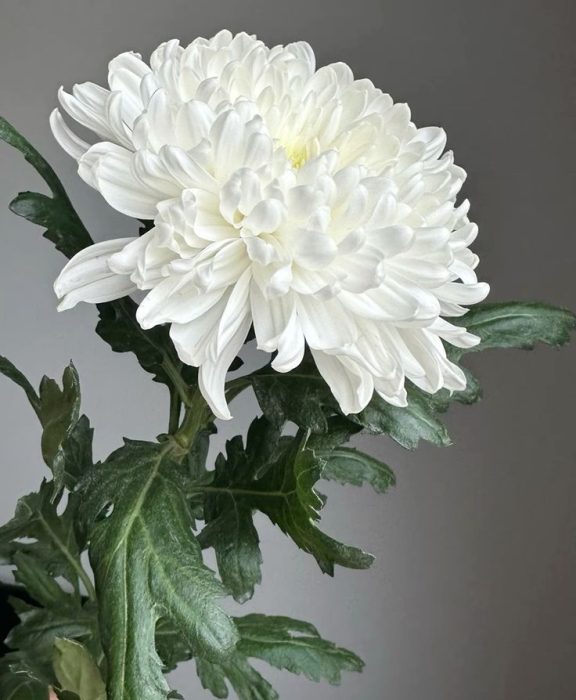
When planted in the right location, a peony can flourish for 50 years or more, with some historic specimens continuing to bloom for over a century. In many older homes and botanical gardens, today’s flowers are the same plants admired by previous generations.
Unlike shrubs that require frequent pruning or annual flowers that must be replanted each year, peonies become stronger as their underground root systems mature. Older plants often produce larger blooms, sturdier stems, and a greater number of flowers than young plants.
This remarkable lifespan has made peonies a familiar sight in:
- Heritage gardens
- Historic estates
- Family homes passed through generations
- Botanical collections
- Traditional cottage gardens
For many gardeners, planting a peony creates a feature that may still be blooming decades from now.
Guide to the Daffodil
Why Peonies Are the Best Flowers for Celebrating Life's Biggest Moments
Some flowers suit everyday occasions. Peonies are more often reserved for moments people want to remember.
Their large, layered blooms create full arrangements with relatively few stems, making peonies one of the most popular flowers for weddings, anniversaries, and milestone celebrations.
Peonies are also a thoughtful choice for:
- Wedding anniversaries, where their longevity reflects enduring relationships.
- Career milestones and promotions, celebrating years of hard work.
- Housewarming gifts, particularly as living plants that can remain in a garden for decades.
- Graduations and major achievements, marking significant new chapters.
For readers comparing flowers across the seasons, the colorful October birth flowers offer a vibrant transition into autumn, while the elegant Rose birth flower shares peonies’ reputation as one of the world’s most admired ornamental blooms. Looking ahead, the December birth flowers continue the journey through the annual birth flower calendar.
Peony Colors and Their Meanings
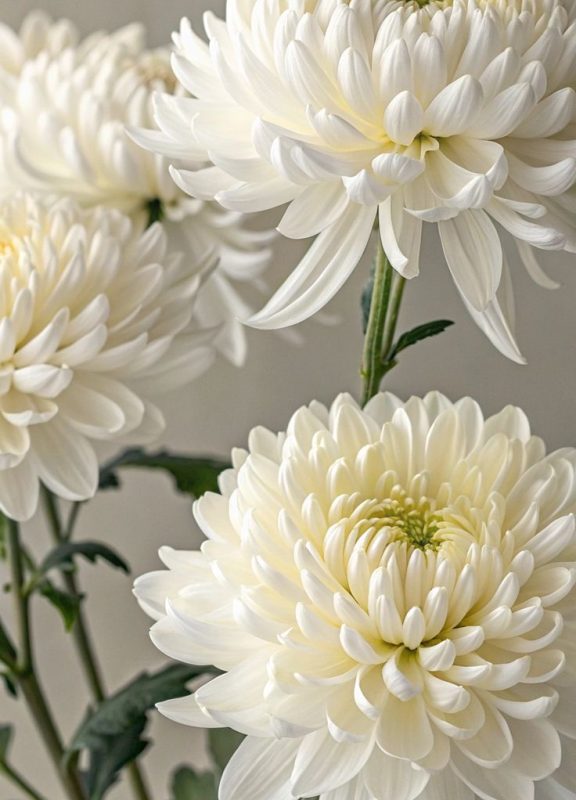
The color of a peony often shapes the message it conveys, making it easy to choose the right bloom for different occasions.
|
Color |
Traditional Meaning |
Often Chosen For |
|
Pink |
Romance, happiness, admiration |
Weddings, anniversaries, birthdays |
|
White |
Sincerity, remembrance, fresh beginnings |
Weddings and thoughtful gifts |
|
Red |
Prosperity, honor, passion |
Celebrations and milestone achievements |
|
Coral |
Energy, excitement, optimism |
Congratulations and new opportunities |
|
Yellow |
Joy, friendship, good fortune |
Housewarmings and expressions of appreciation |
Rather than carrying a single universal meaning, peonies allow the color itself to shape the sentiment behind the gift.
Choosing the Right Type of Peony
Although all peonies are known for their large, layered flowers, they don’t all grow in the same way. The three main types differ in size, structure, and how they perform in the garden.
|
Type |
Best Known For |
Typical Height |
Bloom Style |
|
Herbaceous Peony |
Dies back each winter and returns in spring |
2–4 feet |
Large, rounded blooms |
|
Tree Peony |
Woody stems remain above ground year-round |
4–7 feet |
Massive flowers with a shrub-like habit |
|
Intersectional (Itoh) Peony |
Hybrid combining herbaceous and tree peonies |
2–3 feet |
Strong stems with abundant blooms |

Why Peonies Don’t Like Being Moved
Unlike many perennial flowers that benefit from frequent dividing, peonies prefer to stay in one location for many years. Their extensive root systems take time to establish, and moving a mature plant often reduces flowering for several seasons while it settles into its new position.
For this reason, gardeners usually choose the planting location carefully before placing a peony in the ground. Once established, the plant often requires very little attention beyond seasonal maintenance, rewarding patience with larger and more abundant blooms year after year.
All 24 Blooms
Explore More Birth Flowers
FAQ
Frequently Asked Questions - Peonies as Birth Flowers
Peonies are recognized as one of November's official birth flowers because they represent prosperity, honor, and enduring beauty. Although they bloom in late spring, their long-standing symbolism has secured their place in the November birth flower tradition.
Healthy peonies commonly live for 50 years or more. Some historic plants have remained productive for over 100 years when grown in favorable conditions.
Ants are attracted to the sweet nectar produced on unopened flower buds. They do not help the flowers bloom, but they also don't harm healthy peony plants.
Yes. Peonies can be grown in large containers with excellent drainage and enough room for their deep root systems. Container-grown plants may require more frequent watering than those in the ground and often benefit from winter protection in colder climates.
Peonies usually flower once each year during late spring or early summer. Although the blooming period lasts only a few weeks, mature plants can produce dozens of flowers, making their short season one of the highlights of the gardening year.