Daffodil: March's Cheerful Birth Flower
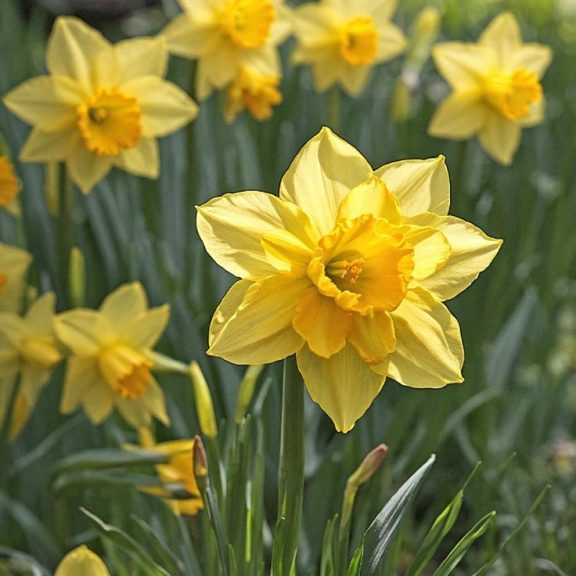
Daffodils belong to the genus Narcissus and include an enormous range of cultivated forms. Yellow trumpet-shaped flowers remain the familiar image, but gardeners can also choose white, cream, peach, orange, and multicolored varieties.
For people born in March, the daffodil is commonly associated with renewal, optimism, encouragement, and new opportunities. These meanings reflect the flower’s growing cycle: bulbs spend months underground before producing one of the season’s most visible displays.
AT A GLANCE
Love, admiration, devotion.
A cherished flower for celebrating life's special moments.

The Daffodil's Famous Shape
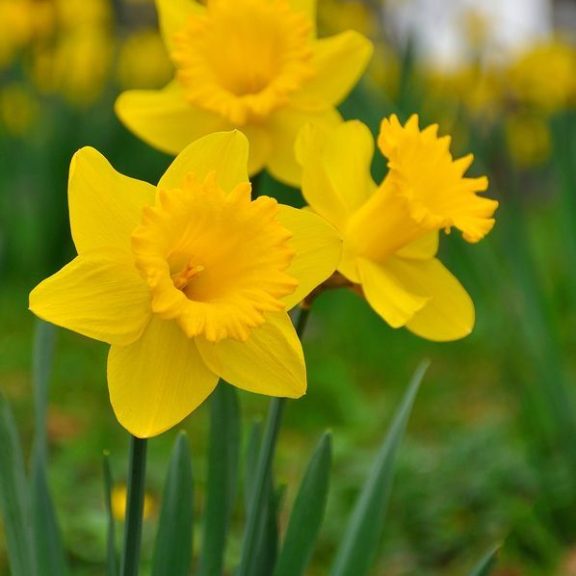
A daffodil flower has a structure that is easy to recognize. Six outer petal-like segments surround a central cup or trumpet called the corona. The size and shape of that corona vary considerably between different cultivated varieties.
Some daffodils have long trumpets. Others have short cups, split centers, double layers, or several smaller flowers on one stem. That variation has led to thousands of registered cultivars and several recognized horticultural divisions.
Guide to the Daffodil
Why Daffodils Bloom Year After Year
The flower you see in spring depends on work completed during the previous growing cycle.
Daffodils grow from bulbs that store energy underground. After flowering, their leaves continue gathering energy that supports future growth. The bulb then remains below the soil until seasonal conditions trigger another cycle.
When planted in suitable conditions, daffodils can remain in the same area for many years. Bulbs may multiply, gradually turning a small group into a much larger spring display.
This ability to return and expand has strongly influenced the flower’s association with renewal.
Daffodil Meanings and Symbolism
The daffodil’s symbolism is closely connected with seasonal change, although the flower can suit several different occasions.
- Renewal and New Opportunities: Daffodils emerge during a period of visible transition. Their annual appearance makes them a natural choice for graduations, new jobs, moves, recoveries, and other moments when someone is entering a different stage of life.
- Optimism: Bright yellow flowers can bring immediate energy to a room or garden. Daffodils are often given to encourage someone or celebrate positive news.
- Encouragement: A daffodil gift can acknowledge progress that is still underway. This makes the flower appropriate for someone facing a challenge, working toward a goal, or rebuilding after a difficult period.
- Joy: Large plantings create an unmistakably cheerful effect. Their association with happiness comes from both their color and the collective impact of seeing hundreds of flowers appear after winter.
Why Daffodils Matter Around the World
The daffodil has acquired significance far beyond the garden. It is closely associated with Wales and is widely worn around St. David’s Day on March The flower has become one of the country’s most recognizable national emblems.
Daffodils also appear frequently in literature, art, public gardens, and spring festivals. Their tendency to grow in large naturalized groups makes them especially memorable in landscapes.
In many communities, daffodil-themed campaigns and events have also used the flower’s spring associations to communicate hope and support.
These cultural connections have reinforced the daffodil’s identity as a flower associated with forward movement and brighter seasons.
How to Arrange Daffodils With Other Flowers
Freshly cut daffodil stems release a sap that can affect some other cut flowers and shorten their vase life. If you plan to create a mixed arrangement:
- Cut the daffodil stems to the desired length.
- Place them in water separately for several hours.
- Avoid recutting the stems immediately before adding them to the final arrangement.
- Use a clean vase and fresh water.
For the simplest display, arrange daffodils on their own. A generous bunch of one variety often has more impact than a complicated mixed bouquet.
Why Daffodils Belong to March
March often brings visible change in a short period. Daylight increases, gardens become active again, and dormant ground begins producing new growth.
Daffodils have become closely tied to that transition because they return with remarkable consistency and create an immediate visual impact.
For a March birthday, their message can suit many stages of life. They can celebrate a beginning, encourage someone through a transition, or simply recognize the optimism associated with the season ahead.
All 24 Blooms
Explore More Birth Flowers
FAQ
Frequently Asked Questions About the Daffodil Birth Flower
Daffodils commonly flower around the beginning of spring in many temperate climates. Their seasonal timing and dependable return helped establish them as one of March's traditional birth flowers.
Daffodils are commonly associated with renewal, optimism, encouragement, joy, and new opportunities.
Narcissus is the botanical genus containing daffodils, jonquils, and related flowers. “Daffodil” is the familiar common name used for many plants within this genus.
Yes. Daffodils are perennial bulbs and can return for many years when grown in suitable conditions.
Freshly cut stems release sap that may affect the vase life of certain other flowers. Allowing daffodils to stand separately in water before arranging them can reduce this problem.