March Birth Flowers: Welcoming Spring with Daffodils and Jonquils
March marks the beginning of spring, with longer days and the first signs of new growth. Daffodils perfectly capture that seasonal shift, symbolizing renewal, happiness, and fresh beginnings. Jonquils also share the month as an official March birth flower. While they belong to the same botanical family as daffodils, they stand out with their smaller, fragrant blooms and slender leaves.
AT A GLANCE
Hope, renewal, joy.
The daffodil for fresh beginnings and optimism.
The narcissus for self-love and inner beauty.
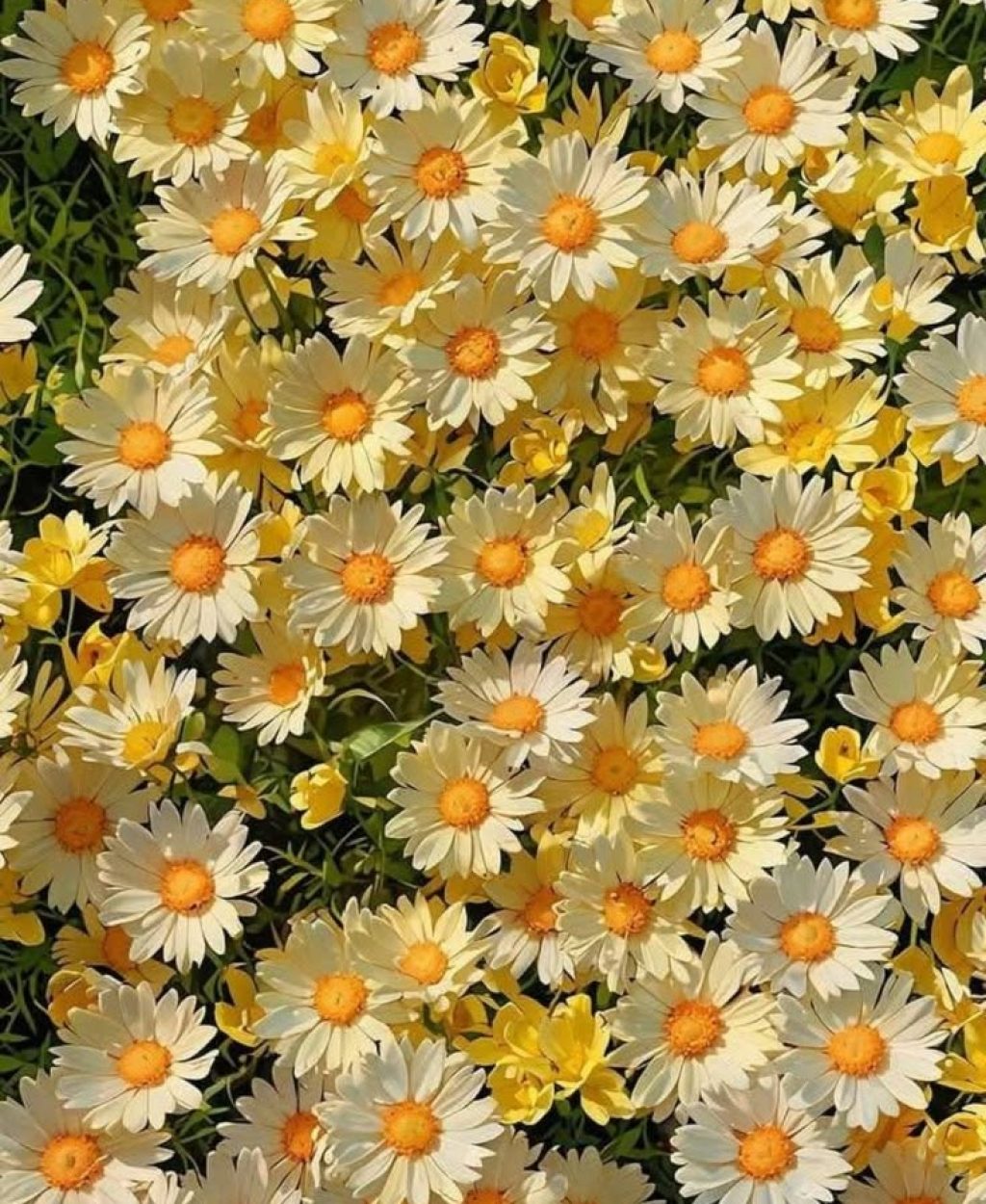
March Birth Flowers at a Glance
- Primary Birth Flower: Daffodil
- Secondary Birth Flower: Jonquil
- Main Meanings: Renewal, happiness, optimism, affection, new beginnings
- Common Colors: Yellow, white, cream, orange, salmon, and bicolors
- Bloom Time: Early to mid-spring
Daffodil: The Primary March Birth Flower
A daffodil has six outer petal-like segments arranged around a central cup or trumpet. Yellow is the classic color, although cultivated forms also flower in white, orange, cream, salmon, and mixed shades. Most rise from bulbs in spring, often returning and multiplying for many years.
Its arrival after winter gives the flower its central meanings: a fresh start, anticipation, encouragement, and renewed energy. Daffodils fit birthdays, new jobs, housewarmings, recoveries, and any occasion that marks forward movement.
Jonquil: The Fragrant March Birth Flower
Jonquils generally have narrow, rush-like leaves and several smaller blooms on one stem. Their golden flowers are especially fragrant, setting them apart from many larger daffodil varieties. The species Narcissus jonquilla is native to Spain and Portugal.
Their traditional message leans toward affection, desire, warmth, and the wish for love to be returned. A jonquil gift feels more intimate than a broad display of daffodils, particularly when scent is part of the experience.
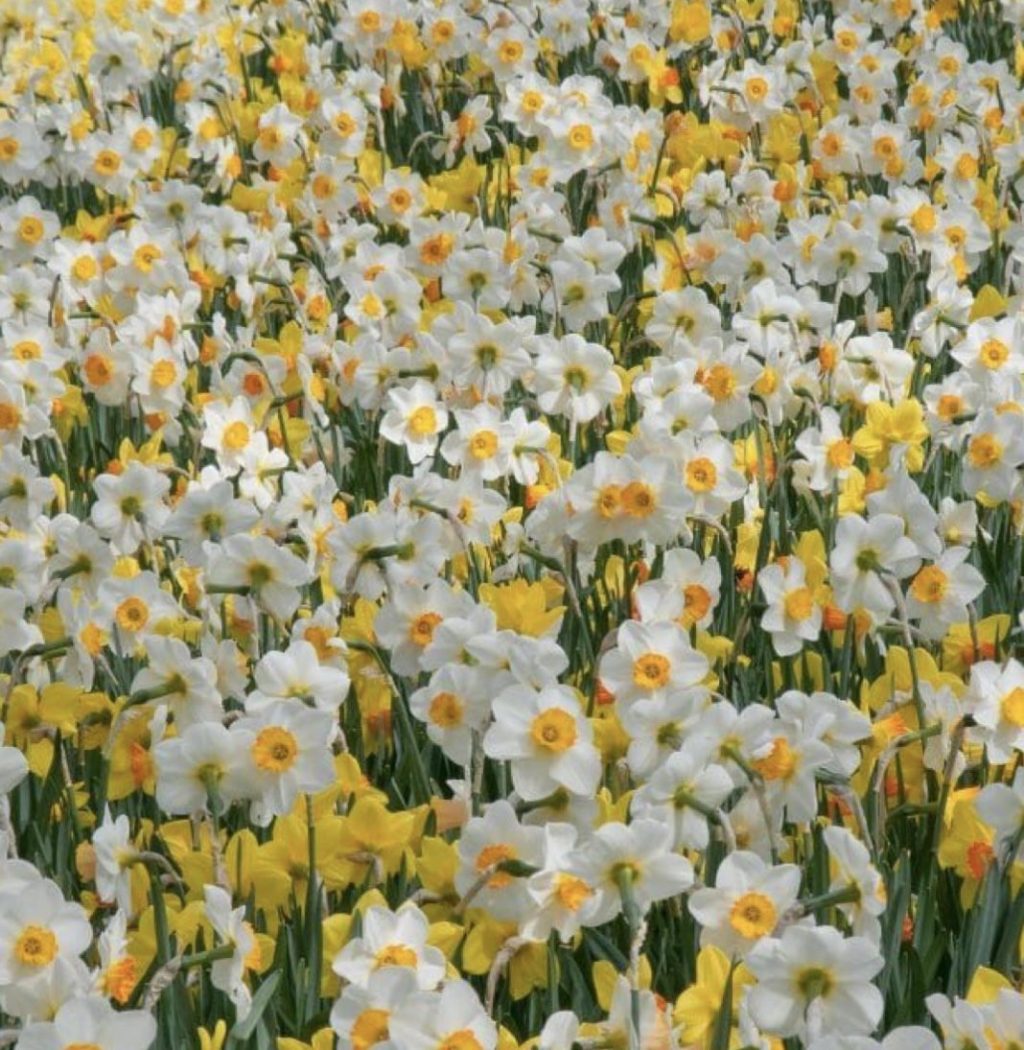
The First Flowers That Welcome Spring
March is often seen as the turning point between winter and spring, and few flowers capture that transition better than daffodils and jonquils.
Both emerge from bulbs that spend the colder months underground before producing fresh growth as temperatures rise. Their appearance has made them enduring symbols of readiness, optimism, and the opportunities that come with a new season.
That is why winter flowers feel so closely tied to renewal. They do not deny the cold or pretend spring has fully arrived. Instead, they show that change can begin before the surrounding landscape looks different.
Several features help these flowers announce the seasonal shift:
- Their upright stems lift the flowers above low early growth.
- Bright yellow blooms remain visible from a distance.
- Different varieties extend the daffodil season from late winter well into spring.
- Perennial bulbs allow familiar displays to return to the same place each year.
- Jonquils add fragrance to the visual signs of the changing season.
March’s connection with daffodils is particularly visible in Wales, where the flower is worn for St David’s Day on March 1 and is recognized as a national emblem.
While February birth flowers begin to hint at spring, March flowers make the transition difficult to miss. By the time the April birth flowers arrive, the garden has moved into a fuller and more varied phase of the season.
Birth Flowers for Every Day in March
An older floral tradition assigns a specific bloom to every calendar day. Find your birthday below and the meaning it carries.
MARCH 1
March 1st Birth Flower: Wild Daffodil
The wild daffodil carries a pale or bright-yellow trumpet above slim, grey-green leaves. Its instinctive turn toward the light lends this birthday flower meanings of direction, willingness, and thoughtful decision-making.
MARCH 2
March 2nd Birth Flower: Buttercup
Glossy yellow petals make the buttercup look polished even in an untended meadow. For March 2, its brightness is connected with perception, personal presence, and the ability to leave an uplifting first impression.
MARCH 3
March 3rd Birth Flower: Astragalus
Astragalus plants bear pea-like flowers that may appear in pink, purple, white, or yellow clusters. The March 3 tradition focuses on daring choices, trusted guidance, and confidence in one’s principles.
MARCH 4
March 4th Birth Flower: Raspberry
Before producing fruit, raspberry canes develop small flowers with prominent centers that attract pollinators. The plant is linked here with intellect, finding answers, and gaining fulfillment by helping other people succeed.
MARCH 5
March 5th Birth Flower: Cornflower
Cornflowers are immediately recognizable by their fine, fringed petals, most famously in a vivid shade of blue. Their March 5 meaning brings together affirmation, discovery, and a practical talent for uncovering solutions.
MARCH 6
March 6th Birth Flower: Daisy
The common daisy holds white rays around a compact yellow center and grows close to the ground. It reflects fascination, togetherness, and the promise contained in abilities that are still being developed.
MARCH 7
March 7th Birth Flower: Wavy Bittercress
Wavy bittercress is a small woodland and wayside plant with loose clusters of delicate flowers. Its quiet appearance matches themes of solitude, idealism, careful observation, and ideas formed away from outside noise.
MARCH 8
March 8th Birth Flower: Chestnut
Chestnut trees produce long cream-colored catkins before forming their familiar spiny fruits. This birthday plant is tied to sincerity, an agreeable nature, and curiosity that invites deeper questions.
MARCH 9
March 9th Birth Flower: Larch
Unlike most conifers, the larch sheds its soft needles before growing a fresh green set each spring. It suits a date associated with knowledge, quiet courage, and a thoughtful interest in life’s larger questions.
MARCH 10
March 10th Birth Flower: Elm
Elms form tall, spreading crowns and may produce small flowers before their leaves fully open. The March 10 interpretation centers on priorities, moral conviction, and watchfulness toward the people and responsibilities that matter.
MARCH 11
March 11th Birth Flower: Ixeris
Ixeris produces yellow, dandelion-like flower heads made from narrow ray petals. Its open form is paired with freedom, personal drive, and the clarity to communicate without unnecessary complication.
MARCH 12
March 12th Birth Flower: Weeping Willow
Long, flexible branches give the weeping willow its unmistakable curtain-like shape. It speaks to emotional awareness, the creation of secure foundations, and honest relationships in which people can speak openly.
MARCH 13
March 13th Birth Flower: Daylily
Each daylily bloom usually lasts for only one day, but established plants produce many buds in succession. That rhythm suits the meanings of dexterity, direct communication, and maintaining a constructive outlook as circumstances change.
MARCH 14
March 14th Birth Flower: Almond
Almond branches can fill with pink-tinged white flowers before the leaves appear. Their early display makes a fitting emblem of action, experimentation, and accepting calculated risks in pursuit of an original idea.
MARCH 15
March 15th Birth Flower: Hemlock
Hemlock produces fine foliage and broad clusters of small white flowers on tall stems. The daily symbolism emphasizes quality, assertiveness, and an ethical approach that considers the consequences of personal choices.
MARCH 16
March 16th Birth Flower: Mint
Mint is recognized as readily by its crisp fragrance as by its small purple, pink, or white flowers. For March 16, it conveys generosity, credibility, and a willingness to offer time or support without seeking attention in return.
MARCH 17
March 17th Birth Flower: Bean
Bean vines produce butterfly-like flowers before their pods begin to develop. The plant’s role as a nourishing crop supports meanings of safety, moral awareness, and staying alert to the needs of a wider group.
MARCH 18
March 18th Birth Flower: Asparagus
Mature asparagus plants grow into tall, airy foliage and produce tiny bell-shaped flowers. Its ability to regenerate after harvesting gives this date themes of resourcefulness, lasting strength, and gratitude for what continues to return.
MARCH 19
March 19th Birth Flower: Cape Jasmine
Cape jasmine, better known as gardenia, has waxy white flowers set against glossy dark leaves. Its powerful fragrance accompanies meanings of joyful enthusiasm, capable leadership, and emotional steadiness during periods of change.
MARCH 20
March 20th Birth Flower: Purple Tulip
Purple tulips bring rich color to the familiar, clean, cup-shaped tulip form. Their March 20 message concerns devotion, searching beneath the surface, and remaining truthful when a situation becomes difficult to interpret.
MARCH 21
March 21st Birth Flower: Hoya Bella
Hoya bella produces hanging clusters of small white stars, each finished with a pink or purple center. The intricate blooms suit an association with sensibility, efficient action, and appreciation for details that others might overlook.
MARCH 22
March 22nd Birth Flower: Mallow
Mallow flowers have five broad petals, frequently marked with darker veins that lead toward the center. They convey fellowship, composure under pressure, and an energetic appetite for experiences shared with other people.
MARCH 23
March 23rd Birth Flower: Gladiolus
Gladiolus flowers open along tall, sword-like spikes that give arrangements height and structure. For this date, the plant combines gladness and enjoyment with the collected strength needed to remain composed in demanding moments.
MARCH 24
March 24th Birth Flower: California Poppy
The California poppy opens silky orange or yellow petals in bright conditions and closes them when light fades. That visible response inspires meanings of experience, quick judgment, and an attitude flexible enough to adjust to changing circumstances.
MARCH 25
March 25th Birth Flower: Wisteria
Wisteria covers established vines with hanging clusters of purple, blue, pink, or white flowers. Its interwoven growth is connected with bonding, expressive enjoyment, and the boldness required to pursue unfamiliar opportunities.
MARCH 26
March 26th Birth Flower: White Primrose
White primroses hold pale petals around a warm yellow eye and appear close to the ground in early spring. Their March 26 character is sociable and exploratory, celebrating novelty, variation, and the pleasure of trying something different.
MARCH 27
March 27th Birth Flower: Calceolaria
Calceolaria is nicknamed the slipper flower because of its inflated, pouch-shaped blooms. Its unusual form accompanies a grounded message about effort, humility, and finding a workable route through unfamiliar territory.
MARCH 28
March 28th Birth Flower: Robinia Hispida
Robinia hispida, or bristly locust, produces hanging clusters of rose-pink, pea-like flowers. The plant is linked with firm foundations, personal empowerment, and recognizing that existing strengths may already be sufficient.
MARCH 29
March 29th Birth Flower: Burdock
Burdock forms purple flower heads surrounded by hooked bracts that readily cling to fabric or animal fur. Its persistent nature supports meanings of steadiness, compassionate understanding, and belief in progress built through repeated effort.
MARCH 30
March 30th Birth Flower: Scotch Broom
Scotch broom covers its green stems with bright, pea-shaped yellow flowers. Its exuberant display is paired with liberation, close companionship, and the search for a balanced life that is not limited by other people’s expectations.
MARCH 31
March 31st Birth Flower: Love in a Mist
Love in a mist places blue, white, pink, or purple flowers inside a haze of finely divided foliage. The distinctive arrangement closes the March calendar with destiny, thankfulness, and purposeful movement toward long-held goals.
All 24 Blooms
Explore More Birth Flowers
FAQ
Frequently asked
The daffodil is the primary March birth flower and the one most people recognize immediately. Jonquil is the month’s secondary flower and a fragrant member of the same Narcissus genus.
Jonquils are daffodils, but the terms are not completely interchangeable. “Daffodil” is the broad common name used for plants in the genus Narcissus. True jonquils usually have narrow, rush-like foliage, several flowers per stem, and a stronger fragrance than many other daffodils.
Daffodils convey renewal, anticipation, encouragement, and new beginnings. Jonquils add affection, desire, and the hope that loving feelings will be returned. The meanings overlap because both flowers emerge with the spring season.
No. Yellow is the most familiar daffodil and jonquil color, but daffodil cultivars are also found in white, cream, orange, salmon, pink-toned, and multicolored forms. Jonquils have a narrower palette and are most commonly golden or pale yellow.
Daffodils are the easier choice for an upbeat birthday, congratulatory message, or fresh start. Jonquils feel more personal because of their strong fragrance and association with affection. A planted pot of either flower is especially suitable for someone who enjoys watching bulbs develop.