Holly: December's Evergreen Birth Flower
When winter settles in and many trees stand bare, holly continues to brighten the landscape. As one of December’s birth flowers, it stands out with its glossy evergreen leaves, bright red berries, and unmistakable winter charm. For centuries, holly has been grown in gardens, featured in seasonal decorations, and admired as a symbol of resilience, hope, and renewal.
AT A GLANCE
Love, admiration, devotion.
A cherished flower for celebrating life's special moments.
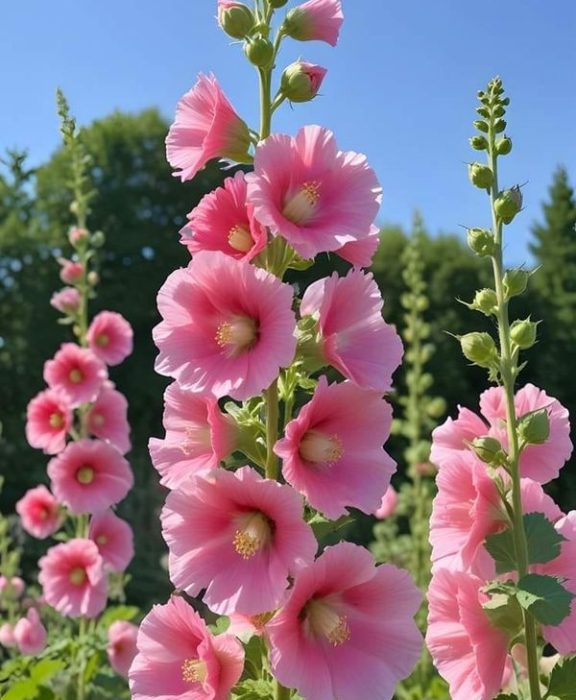
How to Identify Holly?
Although holly species vary in size and leaf shape, most are easy to recognize by a few distinctive features.
Look for:
- Glossy evergreen leaves that remain on the plant throughout the year.
- Smooth or sharply spined leaf edges, depending on the species.
- Bright red berries that appear on female plants during autumn and winter.
- Dense shrubs or small trees with a naturally compact growth habit.
- Small white flowers that bloom in spring before the berries develop.
These characteristics make holly one of the easiest evergreen plants to identify, especially during winter when its colourful berries stand out against dark green foliage.
Guide to the Holly
Decorating With Holly Beyond the Holidays
Although holly is strongly connected with Christmas, its appeal extends far beyond seasonal decorations.
- Natural Winter Wreaths: Fresh holly branches create textured wreaths that remain attractive throughout much of the winter season.
- Table Centerpieces: Combined with pinecones, evergreen foliage, candles, or winter flowers, holly provides natural color without requiring elaborate arrangements.
- Four-Season Garden Design: Landscape designers often use holly to provide structure during every season, balancing flowering shrubs and deciduous trees.
- Outdoor Containers: Large pots filled with holly can add year-round interest to entrances, patios, and courtyards while requiring relatively little maintenance.
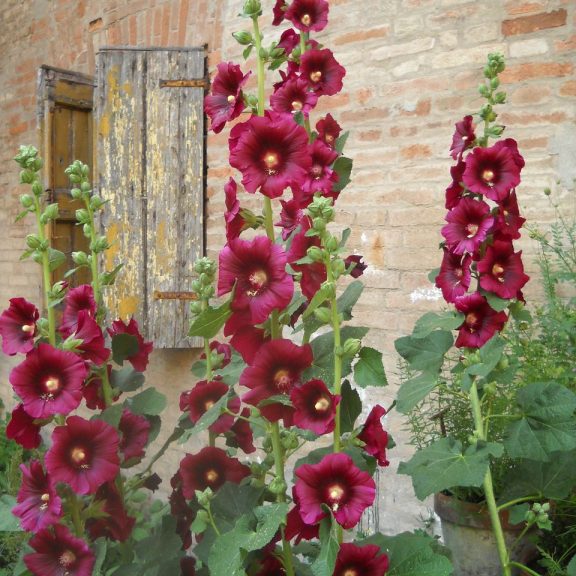
Meet the Most Popular Holly Varieties
Not every holly plant looks the same. Some grow into tall trees, while others remain compact shrubs that suit smaller gardens.
Holly Variety | Distinguishing Features | Common Uses |
English Holly (Ilex aquifolium) | Glossy, spiny leaves with bright red berries | Traditional holiday decorations and hedges |
American Holly (Ilex opaca) | Softer leaf shape with abundant berries | Native landscapes and larger gardens |
Chinese Holly (Ilex cornuta) | Dense growth with distinctive horned leaves | Privacy screens and ornamental planting |
Inkberry Holly (Ilex glabra) | Smooth-edged leaves and dark berries | Foundation planting and low-maintenance borders |
Despite these differences, all belong to the Ilex genus and share the evergreen qualities that make holly such an enduring landscape favorite.
All 24 Blooms
Explore More Birth Flowers
FAQ
Frequently Asked Questions - Holly
Holly is closely associated with winter because its evergreen foliage remains colorful during the coldest months of the year. Its resilience and longstanding role in seasonal traditions make it a natural choice as one of December's official birth flowers.
Holly is an evergreen shrub or small tree belonging to the Ilex genus. Although it produces small white flowers in spring, it is best known for its glossy evergreen leaves and bright winter berries, which make it one of the most recognizable plants of the holiday season.
Most holly species have separate male and female plants. Female plants produce berries only when a compatible male plant grows nearby, and pollination occurs.
Holly berries and leaves can be toxic if eaten by dogs, cats, and some other animals. If you have curious pets, it's best to place decorative holly out of reach or choose pet-safe alternatives indoors.
Yes. Many holly species adapt well to mild and warm climates, although the best variety depends on local conditions. While English holly prefers cooler regions, species such as Chinese holly and yaupon holly perform well in warmer parts of North America and other temperate climates.