


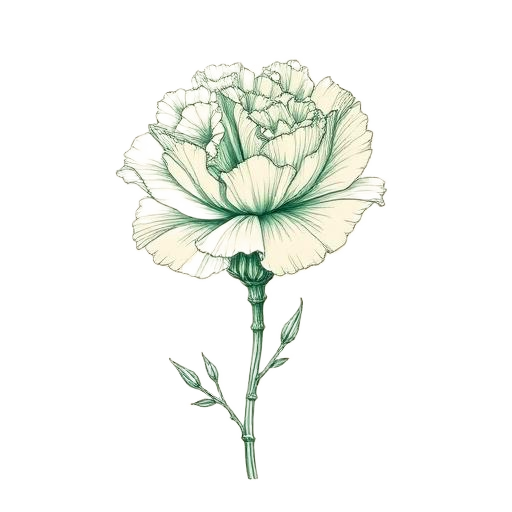
Birth flowers, month by month

Every month of the year is linked to one or two birth flowers, much like each month has a birthstone. Each carries its own symbolism drawn from history, folklore, and the language of flowers.

Quick Lookup — My Birth Flowers

Quick Lookup

I was born in…

What Are Birth Flowers?

A birth flower is the flower traditionally assigned to the month a person was born. Most months are linked to flowers that naturally bloom around that time of year. These associations grew from European and North American floral traditions, including the Victorian “language of flowers,” where each bloom carried its own meaning.

Like birthstones, birth flowers give each month its own traditional symbol and are a popular choice for personalized gifts. Because there is no single official list, the flowers assigned to a month can vary between countries and traditions, reflecting different regional customs and growing seasons.

Why Does Each Month Have Two Birth Flowers?

Most months are paired with two birth flowers, usually a primary and a secondary bloom. This developed for a few practical reasons. Floral traditions grew separately in different countries, so a second flower often reflects a regional custom that was added over time.

Seasonal availability also plays a part. A flower that blooms reliably in one climate may be scarce in another, so a second option gives more people a flower they can actually find in season. Botanical variety matters too: having two flowers per month covers a wider range of colours, forms, and meanings, making it easier to choose one that suits the occasion or the person.

Birth flowers by month

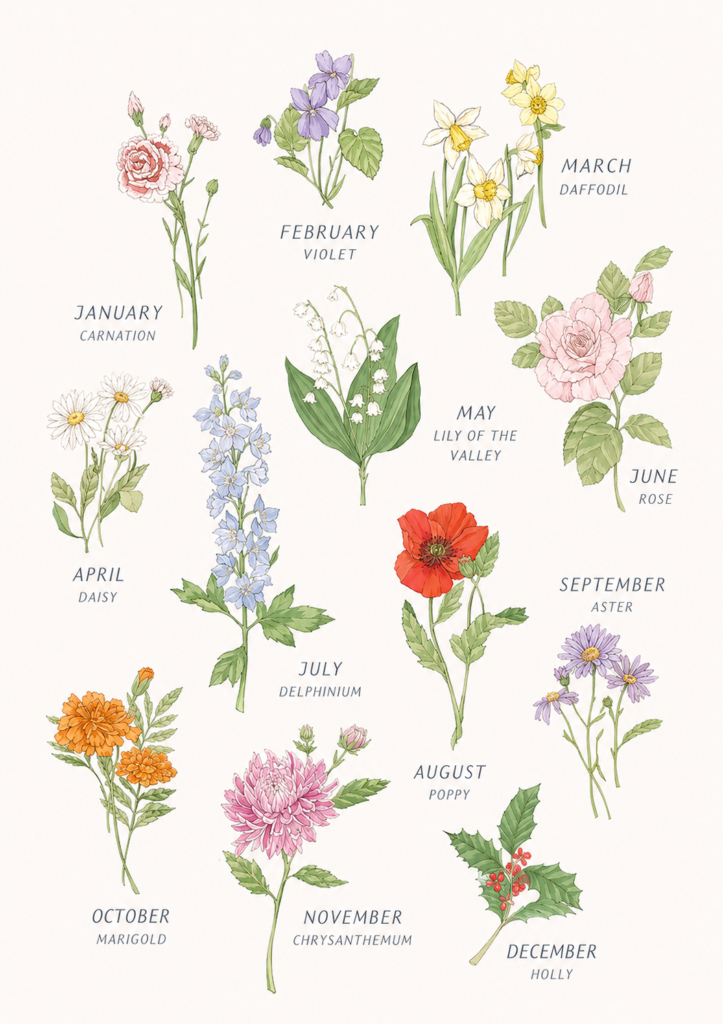
Here is a quick overview of the birth flowers for every month, with both blooms for each. Select any month to open its full guide, or jump straight to an individual flower for its symbolism, botanical name, and care details.

flower-carnation-kSEMpuhf

& SNOWDROP
Love & hope

flower-violet-b_oAcgge

& PRIMROSE

Faithfulness

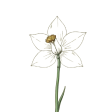
flower-daffodil-DgyZuCnM

& JONQUIL
New beginnings

flower-daisy-BE8oUAhy

& SWEET PEA
Innocence

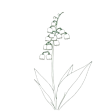
flower-lily-DuhRd0_-

& HAWTHORN
Sweetness

flower-rose-Bbt-LzNw

& HONEYSUCKLE
LOVE 

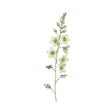
flower-larkspur-BKEw_V34

& WATER LILY
Postivity

flower-gladiolus-CdowcYic

& POPPY
Strength

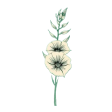
flower-aster-CzZnDYYB

& MORNING GLORY
Wisdom

flower-marigold-By1HRk1r

& COSMOS
Warmth

flower-chrysanthemum-BjbvOWIy

& PEONY
Loyalty

flower-holly-CwRIY1Ot

& NARCISSUS
Protection

ChatGPT Image Jul 6, 2026, 03_32_55 PM

September: Aster, the star flower

Named for the Greek word for star, the aster has meant wisdom, patience, and enduring love since it was scattered by grieving goddesses across the autumn fields. It is the flower for the thoughtful ones — for the ones born as the light turns.

More than a pretty bloom

Origins

Where each tradition began — from Roman festivals to Victorian floriography and the Japanese hanakotoba.

Learn more

Symbolism

What each flower says without a single word: love, resilience, remembrance, and quiet hope.

Learn more

Gifting

The right stem for birthdays, anniversaries, weddings, and sympathy — with etiquette from working florists.

Learn more

A month, a meaning

The mood and symbolism of each month at a glance.

January · Carnation & Snowdrop

A month of fresh beginnings, January is associated with love, hope, resilience, and looking ahead with optimism.
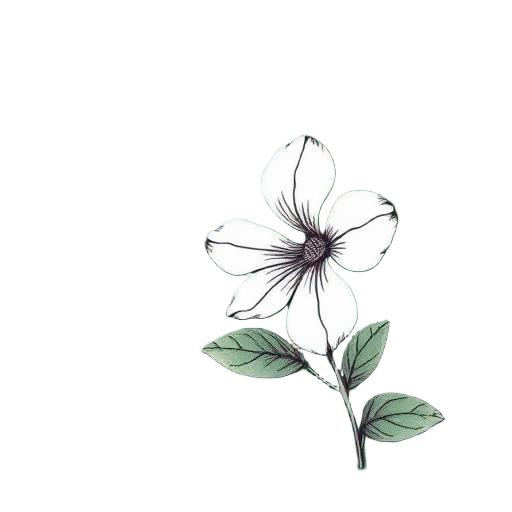
February · Violet & Primrose

February’s flowers celebrate loyalty, devotion, affection, and the quiet strength that comes with enduring winter.
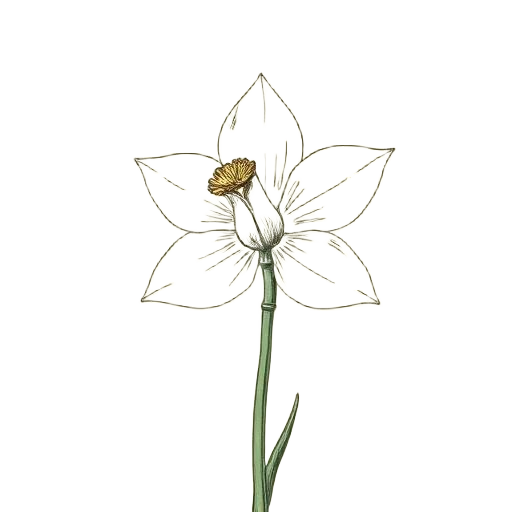
March · Daffodil & Jonquil

March welcomes spring with symbols of renewal, optimism, friendship, and fresh starts.
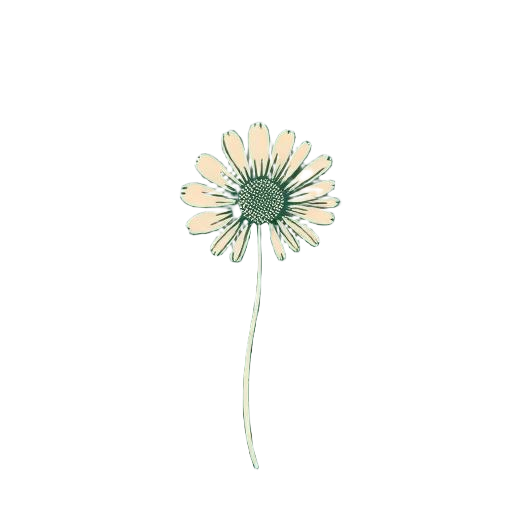
April · Daisy & Sweet Pea

April represents innocence, happiness, gratitude, and the joyful energy of spring in full bloom.
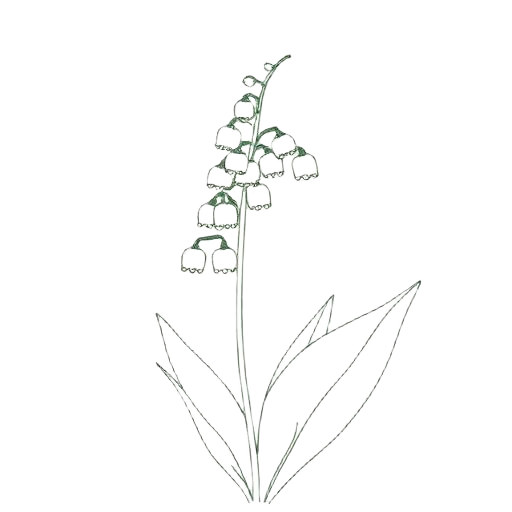
May · Lily of the Valley & Hawthorn

May is linked with happiness, hope, love, and renewal as gardens reach their seasonal peak.

June · Rose & Honeysuckle

June celebrates love, passion, devotion, and lasting affection, reflecting the warmth of early summer.
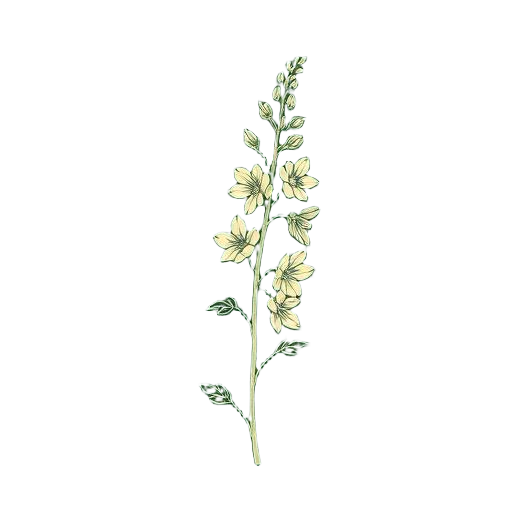
July · Larkspur & Water Lily

July represents positivity, grace, emotional strength, and deep personal connections during the height of summer.
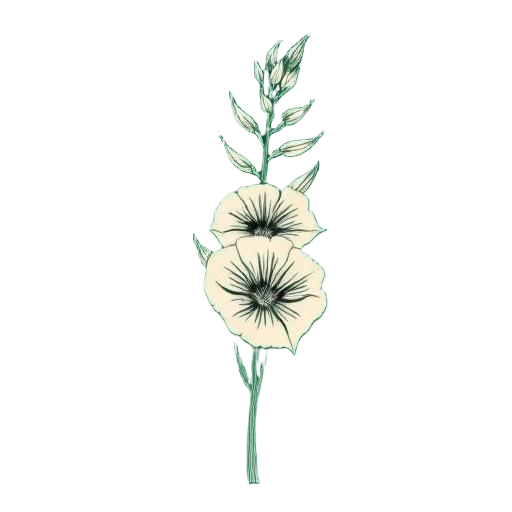
August · Gladiolus & Poppy

August symbolizes strength, integrity, imagination, and remembrance through its bold late-summer blooms.
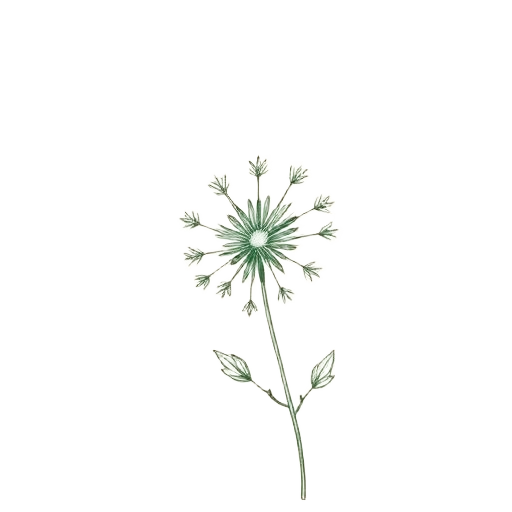
September · Aster & Morning Glory

September is associated with wisdom, faith, affection, and embracing the transition into autumn.
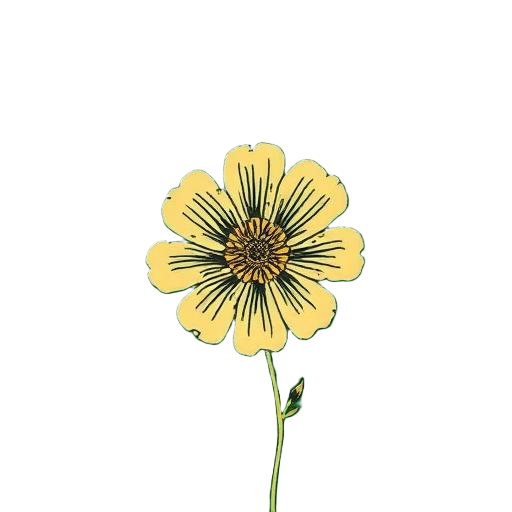
October · Marigold & Cosmos

October reflects warmth, harmony, optimism, remembrance, and the rich beauty of the autumn season.
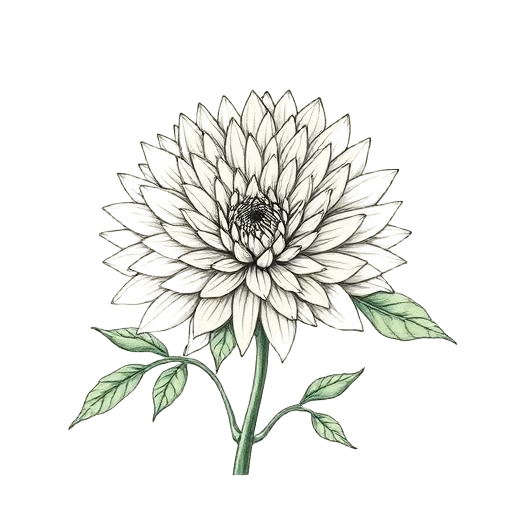
November · Chrysanthemum & Peony

November celebrates prosperity, happiness, loyalty, and enduring good fortune through its late-season flowers.
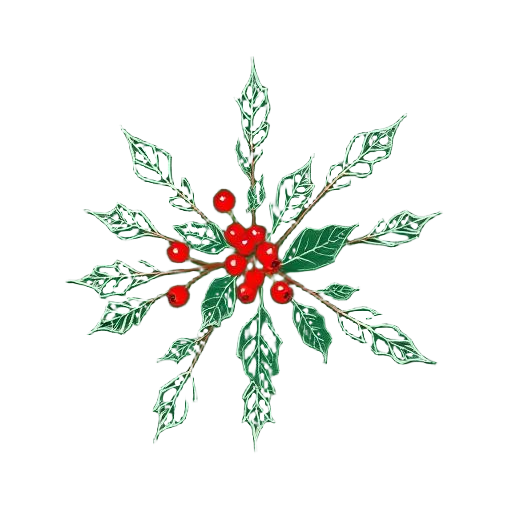
December · Holly & Narcissus

December symbolizes hope, resilience, renewal, and goodwill, offering a fitting close to the year.

How To

Find your birth flower

  1. Find your birth month in the list above.

  2. Note the one or two flowers traditionally associated with that month.

  3. Remember that most months have two birth flowers because different regions developed different floral traditions.

  4. Choose either flower if you have two options, or explore both to see which meaning resonates more with you.

  5. Click through to the individual flower guide for details on symbolism, botanical facts, history, blooming season, and care.

  6. Use the flower’s meaning as a personal symbol, gift idea, or celebration theme for birthdays and special occasions.

Understanding the meanings

The meanings attached to birth flowers come mostly from floral symbolism, a tradition with roots in many cultures. In the Victorian era, sending a particular flower was a quiet way to express a feeling that might be awkward to say aloud, and printed dictionaries of “floriography” gave each bloom a defined message.


Symbolism also varies by culture. A flower may stand for celebration in one country and remembrance in another; the chrysanthemum, for example, is a joyful bloom in parts of Asia yet associated with funerals in much of Europe. These differences are a normal part of flower language and explain why you may find more than one meaning for the same flower.

FAQ — My Birth Flowers

FAQ

Frequently asked

2

2

2