Honeysuckle: June's Sweetly Fragrant Birth Flower
Some flowers capture attention with bold colours. Honeysuckle leaves a different impression. Best known for its climbing vines and unmistakable fragrance, this traditional June birth flower has long symbolized affection, devotion, and enduring relationships.
Whether growing over a garden arch or given as a meaningful birthday gift, honeysuckle brings together beauty, wildlife, and centuries of floral tradition.
AT A GLANCE
Love, admiration, devotion.
A cherished flower for celebrating life's special moments.
When Honeysuckle's Fragrance Comes Alive
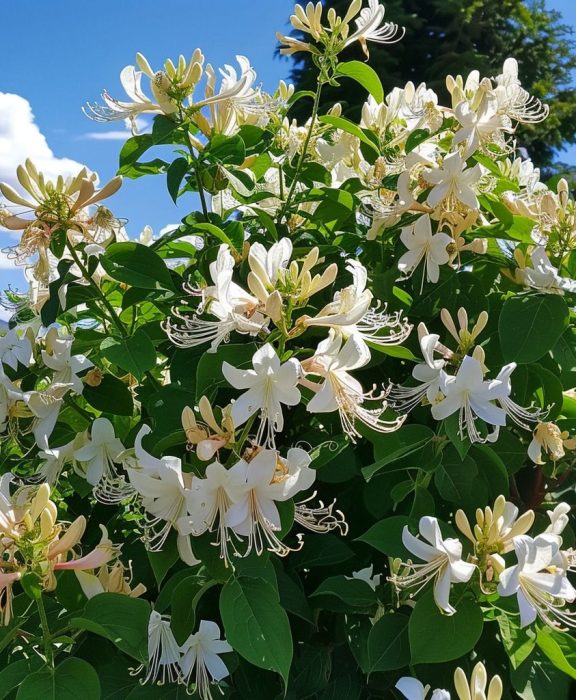
Many fragrant honeysuckles become especially noticeable in the late afternoon and evening. As temperatures cool, scent can linger around paths, patios, doors, and open windows. This timing also helps certain flowers attract night-active pollinators, including moths that locate nectar through fragrance.
During daylight hours, other visitors may arrive. Bees, butterflies, and hummingbirds are often drawn to the narrow flowers, although the exact wildlife depends on the species and region.
A carefully positioned honeysuckle can therefore support activity across much of the day.
Guide to the Honeysuckle
More Than a Pretty Vine: What Makes Honeysuckle Unique
Honeysuckle stands apart from many flowering plants because its beauty comes from movement as much as colour. Instead of growing as a compact shrub or producing a single dramatic bloom, most varieties climb steadily upward, wrapping their flexible stems around trellises, pergolas, fences, and arbors. Over time, a single plant can soften hard structures, create natural privacy, and fill a garden with fragrance from ground level to overhead.
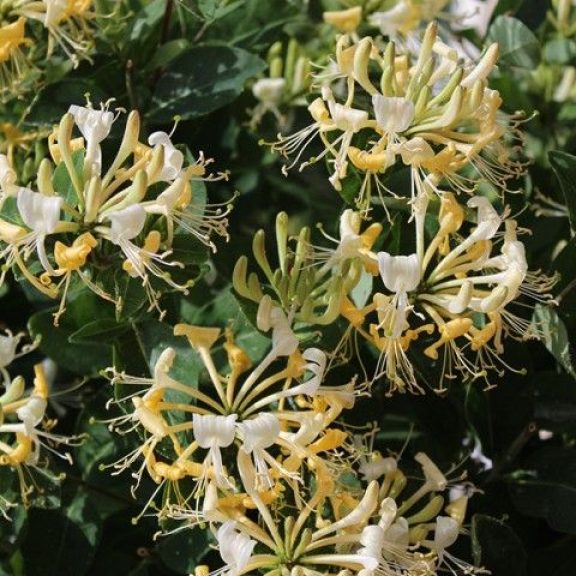
Its flowers are equally distinctive. Rather than open, flat petals, honeysuckle produces long, tubular blooms that flare gently at the tips. This shape is perfectly suited to pollinators that can reach the nectar hidden deep inside each flower.
Choosing the Right Honeysuckle for Your Garden
Not every honeysuckle offers the same growing experience. The name “honeysuckle” covers dozens of Lonicera species, ranging from vigorous climbing vines to compact shrubs. Some are prized for their evening fragrance, while others are grown primarily for colourful flowers or their value to local wildlife.
Before adding one to your garden, it’s worth looking beyond the flower colour. A little research helps ensure you choose a plant that suits both your space and your local environment.
When comparing varieties, consider:
- Growth habit: Decide whether you want a climbing honeysuckle to cover a trellis or fence, or a shrubby variety that works as a hedge or standalone feature.
- Fragrance: Some species produce an intense perfume that fills the garden in the evening, while others are grown mainly for their colourful blooms.
- Mature size: A young plant may seem manageable, but vigorous varieties can eventually cover pergolas, fences, or large garden structures.
- Wildlife value: Native or well-adapted species often provide nectar for pollinators and berries that support birds later in the season.
- Local recommendations: In some regions, certain non-native honeysuckles spread aggressively beyond gardens. Checking local gardening advice before planting helps you choose a variety that’s both beautiful and responsible.
Selecting the right honeysuckle from the beginning means you’ll enjoy its fragrance, flowers, and wildlife benefits without creating unnecessary maintenance problems in the years ahead.
Honeysuckle Through the Seasons
One reason honeysuckle has remained a garden favourite for centuries is that it never feels limited to a single moment. While its flowers may steal the spotlight in early summer, the plant continues to add interest long before and after its peak bloom. As the seasons change, so does the role it plays in the landscape.
- Spring – Fresh Growth Begins
New shoots emerge as temperatures warm, and climbing stems quickly begin weaving through trellises, fences, and pergolas. Fresh green foliage appears before the first flower buds, bringing renewed life to the garden. - Late Spring to Early Summer – Peak Flowering
This is when honeysuckle is at its finest. Clusters of tubular blooms open in shades of white, yellow, pink, orange, or red, while wide fragrant varieties begin filling the evening air with their distinctive sweet scent. Pollinators become especially active during this period. - Mid to Late Summer – A Haven for Wildlife
As flowering slows, some species develop colourful berries that provide food for birds. Dense vines also offer shelter for nesting wildlife and create shaded spaces within the garden. - Autumn – A Changing Display
Depending on the species, foliage may remain attractive well into autumn before gradually changing colour or falling. Evergreen varieties continue providing coverage, while deciduous honeysuckles prepare for winter dormancy. - Winter – Rest Before Another Season
Although deciduous vines lose their leaves, the woody framework remains, ready to produce fresh growth when spring returns. Mature plants often become stronger and more floriferous with each passing year, making honeysuckle a lasting feature rather than a one-season display.
All 24 Blooms
Explore More Birth Flowers
FAQ
Frequently Asked Questions About the Honeysuckle Birth Flower
Honeysuckle is commonly associated with affection, devotion, lasting relationships, resilience, and happiness connected with home.
No. Fragrance varies widely among species and cultivars. Some release a powerful evening scent, while others are selected mainly for flower color or wildlife value.
Some red, orange, or tubular honeysuckles are highly attractive to hummingbirds in regions where these birds are present. Local species and plant choice influence results.
Certain species are invasive in particular regions, while native and well-behaved ornamental forms can be valuable garden plants. Buyers should consult local guidance and check the botanical name before planting.
The answer depends on the species. Some berries are unsafe, and identification mistakes can be dangerous. Unknown honeysuckle fruit should never be eaten.