Aster: September's Star-Shaped Birth Flower
As one of September’s flowers, asters represent the changing seasons in a way few other plants can. They bridge the gap between summer and autumn, offering reliable color when many flowering plants have already finished blooming. Whether you’re exploring the September birth flowers or searching for the meaning behind this elegant bloom, asters offer beauty, resilience, and remarkable versatility.
AT A GLANCE
Love, admiration, devotion.
A cherished flower for celebrating life's special moments.
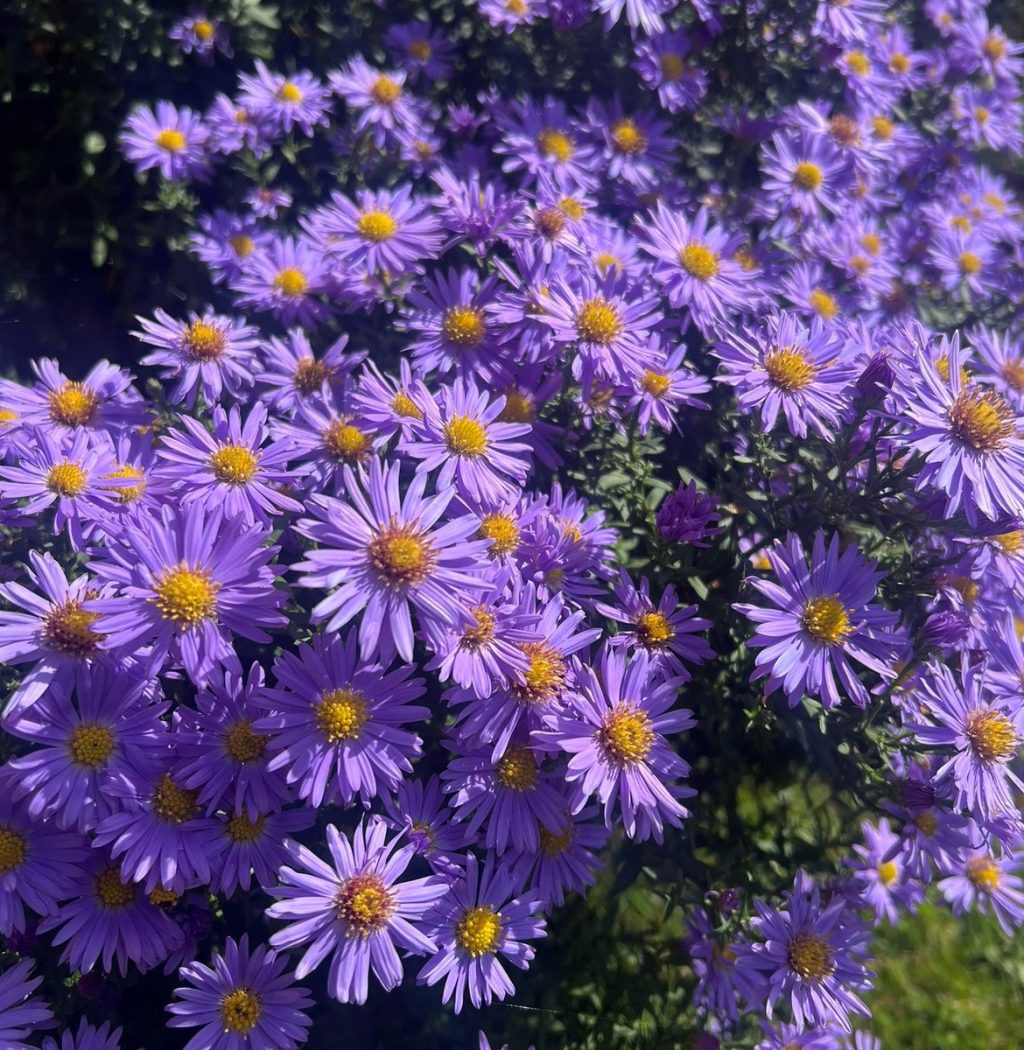
Aster Colors and Their Meanings
Color | Traditional Meaning | Best For |
Purple | Wisdom, admiration, dignity | Milestones, achievements |
Pink | Affection, gratitude | Birthdays, family |
White | Hope, sincerity | New beginnings, remembrance |
Blue | Trust, calm | Friendship, encouragement |
Mixed colors | Celebration, joy | September birthdays |
Guide to the Aster
How to Identify an Aster Flower?
Although there are many different species and cultivars, most asters share several distinctive features that make them easy to recognize.
Look for these characteristics:
- Star-shaped flowers with slender petals radiating around a bright yellow or golden center.
- Clusters of blooms carried on branching stems, creating masses of colour rather than single flowers.
- Purple, pink, blue, white, and lavender blooms, with purple being one of the most familiar shades.
- Lance-shaped green leaves that grow along upright stems.
- Late-season flowering, typically from late summer through autumn, when many other garden flowers have already faded.
These features make asters one of the easiest flowers to identify in autumn gardens, where their colorful clusters continue blooming well after the peak of the summer season.
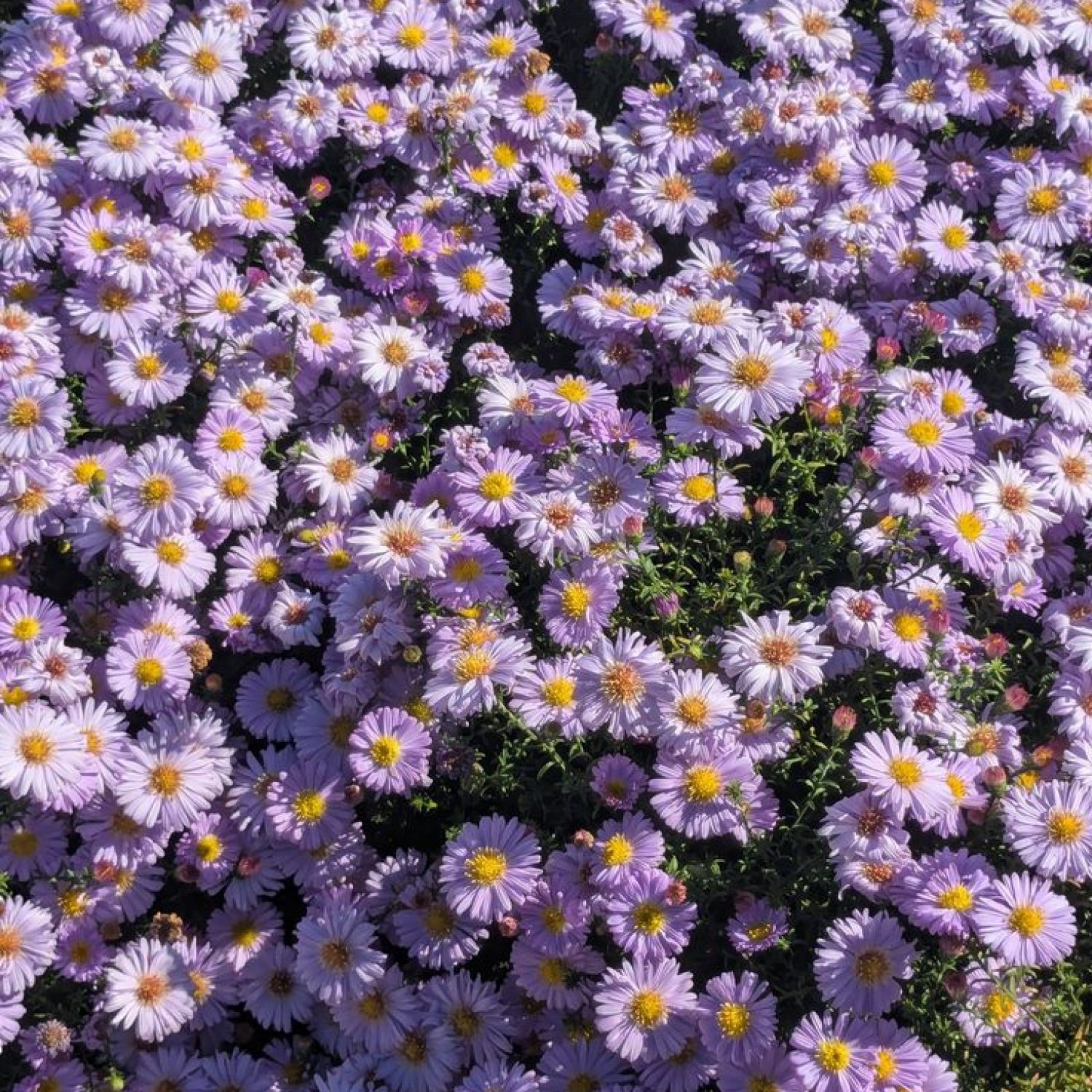
Why Asters Bloom When Most Flowers Fade
Many flowering plants reach their peak in late spring or early summer, leaving gardens looking noticeably quieter by September. Asters help solve that problem by reaching their finest display precisely when fresh color is needed most.
This late-season performance makes them one of the most dependable plants in ornamental gardens. Large clumps produce hundreds of blossoms over several weeks, extending the flowering season long after many annuals and perennials have faded.
Their timing benefits more than gardeners. As nectar becomes increasingly scarce toward autumn, asters provide an important food source for bees, butterflies, and other pollinating insects preparing for the colder months ahead. In many regions, they’re among the last abundant flowering plants available before winter arrives.
Rather than dominating a planting, asters weave themselves naturally into seasonal landscapes, softening the transition from summer to fall with clouds of colorful blooms.
When Asters Make the Perfect Gift
Asters offer a thoughtful alternative to more traditional bouquets, particularly during late summer and early autumn.
They are especially suitable for:
September Birthdays
As one of the official September birth flowers, asters make a meaningful birthday gift that reflects the season.
Celebrating Friendship
Clusters of cheerful blooms and their traditional associations with appreciation make asters a fitting choice for close friends.
Encouraging Someone Through Change
Whether someone is beginning university, starting a new job, or moving into a new home, asters symbolize confidence and optimism for the future.
Recognizing Personal Milestones
Graduations, anniversaries, retirements, and career achievements all suit the flower’s quiet elegance and lasting beauty.
If you’re comparing flowers by season, you may also enjoy discovering the vibrant Gladiolus birth flower, which dominates summer with bold vertical blooms, or exploring the colorful October birth flowers that continue the floral calendar into autumn.
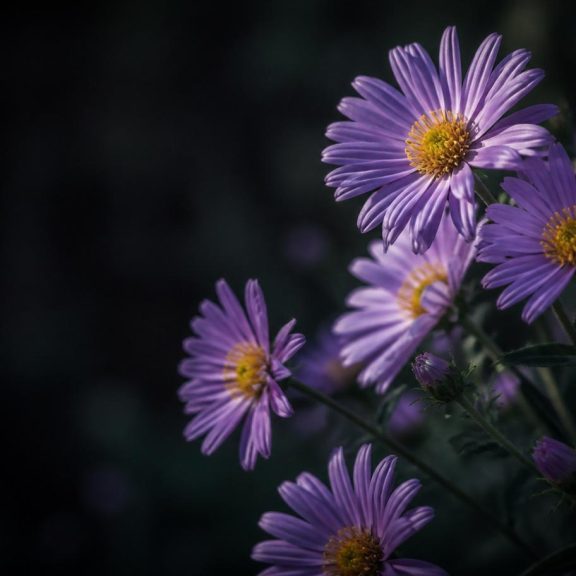
Why Asters Are One of Autumn's Best Pollinator Flowers
By the time asters begin flowering, many summer blooms have already faded. That makes them one of the most valuable late-season nectar sources for pollinators preparing for autumn and winter.
Asters are especially attractive to:
- Bees, which gather nectar and pollen while building up food reserves before colder weather arrives.
- Butterflies, including migrating species that depend on late-blooming flowers for energy.
- Hoverflies and other beneficial insects visit the open flower centers throughout the blooming season.
- Native pollinators, many of which rely on asters when fewer wildflowers remain in bloom.
Why Asters Have Become an Autumn Garden Classic
Asters have remained popular for generations because they arrive exactly when many other flowers begin disappearing. Their clouds of star-shaped blooms bring fresh colour back into borders just as summer annuals fade, helping gardens feel alive well into autumn.
Gardeners continue planting asters because they:
- Flowers, when many other perennials have already finished blooming.
- Pair naturally with ornamental grasses, sedum, chrysanthemums, and other autumn plants.
- Create large drifts of colour without overwhelming neighbouring flowers.
- Attract bees and butterflies during one of the final nectar-rich periods of the year.
- Return each season when grown as perennial varieties.
- Extend the garden’s colour from late summer until the first frosts in many climates.
Whether planted in cottage gardens, wildlife borders, or formal landscapes, asters provide a dependable burst of colour that helps bridge the transition from summer into autumn.
All 24 Blooms
Explore More Birth Flowers
FAQ
Frequently Asked Questions - Aster
Asters naturally bloom during late summer and early autumn, making them closely associated with September. Their dependable flowering season and long-standing symbolism have earned them recognition as one of the month's official birth flowers.
Most garden asters are perennial plants that return each year. However, a few species are grown as annuals depending on the climate and the variety.
Yes. Asters are among the best late-season flowers for butterflies, bees, and other pollinators because they provide nectar when many other flowering plants have already finished blooming.
New England asters typically grow taller, produce larger flower heads, and have slightly hairy stems. New York asters usually have a more compact growth habit with smoother leaves, making them popular for formal garden borders.
Yes. Compact varieties thrive in large containers with well-drained soil, regular watering, and at least six hours of sunlight each day. Container-grown asters are an excellent way to add vibrant late-season color to patios, balconies, and entryways.