Jonquil: March's Sweetly Scented Birth Flower
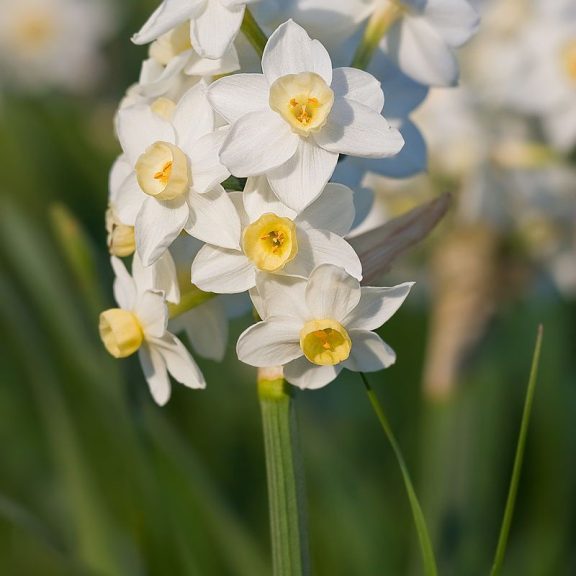
The jonquil birth flower shares March with the daffodil and belongs to the same Narcissus genus. Its defining qualities are easy to appreciate once you know where to look: several flowers can appear on one stem, the foliage is unusually narrow, and many jonquils produce a rich fragrance that carries through the spring garden.
Most jonquils bloom in warm shades of yellow, although cream and white forms are also grown. Their smaller flowers often gather in clusters, creating a light, abundant display rather than relying on a single large bloom.
AT A GLANCE
Love, admiration, devotion.
A cherished flower for celebrating life's special moments.

Why Fragrance Defines the Jonquil Experience
A jonquil garden can announce itself before every individual flower comes into view.
The fragrance is often described as sweet, floral, and warm, although the scent varies among species and cultivars. This aromatic quality has given jonquils a special place among spring bulbs and has also attracted interest from the fragrance industry.
Natural narcissus materials have been used in fine perfumery, where their scent may contribute floral, green, and complex notes. Producing natural fragrance materials from flowers can be difficult and expensive, which helps explain their specialized use.
Guide to the Jonquil
What the Jonquil Means as a March Birth Flower
Jonquil symbolism draws heavily from the flower’s spring appearance and its long association with personal affection.
- Affection: Jonquils can communicate sincere warmth between partners, relatives, and close friends. Their meaning suits relationships where appreciation feels personal and established.
- Devotion: Because the bulbs can return and multiply over successive seasons, jonquils are often associated with lasting attachment and dependable care.
- Optimism: Their flowering season coincides with longer days and increasing garden activity. This connection with seasonal change has made them appropriate for encouraging someone or celebrating progress.
- Renewed Energy: Jonquils emerge after months of underground dormancy and quickly bring flowers and fragrance into the garden. Their growth naturally connects them with renewed motivation and forward movement.
Where Jonquils Came From
Narcissus jonquilla is native to parts of the western Mediterranean, including the Iberian Peninsula. Its preference for sunshine and free-draining conditions reflects those origins.
The plant’s narrow leaves also gave rise to its familiar name. The Spanish junquillo refers to a small rush, describing the slender foliage more accurately than the flower itself.
Over time, jonquils became important in garden breeding. Their characteristics appear in numerous cultivated narcissus varieties, particularly those valued for fragrance, multiple flowers per stem, and suitability for relatively mild climates.
The Best Ways to Give Jonquils
Jonquils work particularly well as gifts when fragrance, seasonality, or continued growth matters.
For an Anniversary
Their associations with affection and devotion suit established relationships. A planted container can also return in future seasons when cared for appropriately.
For a New Home
Potted bulbs can brighten an entrance, balcony, or patio. They are especially suitable for recipients who prefer living plants to conventional bouquets.
For Encouragement
Spring bulbs naturally suit moments of progress and recovery. Their emerging growth and cheerful flowers can accompany a supportive message without making the gesture overly formal.
Why Jonquil Is a Distinctive March Birth Flower
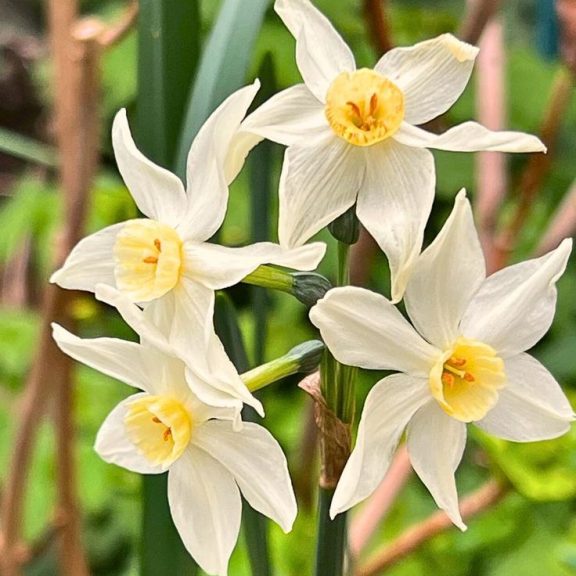
Among March flowers, the jonquil offers an experience built around more than color. Its clustered blooms create movement, its narrow leaves give the plant a refined shape, and its fragrance can change the atmosphere of a path or patio.
For a March birthday, the flower carries a warm and personal message. It suits people who appreciate sensory details, seasonal traditions, and gifts that can return with another spring.
All 24 Blooms
Explore More Birth Flowers
FAQ
Frequently Asked Questions About the Jonquil Birth Flower
Jonquils belong to the Narcissus genus and are commonly considered a particular type of daffodil. They are typically identified by narrow rush-like leaves, fragrant flowers, and multiple blooms on a stem.
Jonquils are commonly associated with affection, devotion, optimism, joy, and renewed energy.
Many jonquils naturally produce a pronounced floral scent. Fragrance intensity varies between species and cultivars, but aroma remains one of the group's best-known characteristics.
Yes. Jonquils are perennial bulbs and can return for many years when grown in suitable conditions. Established bulbs may also multiply and form larger clumps.
Yes. Containers can work well when they provide adequate drainage, sufficient light, and enough depth for healthy bulb growth.