Daisy: April's Cheerful Birth Flower
The daisy birth flower is one of April’s two traditional flowers, sharing the month with the sweet pea. Its familiar white petals and yellow center have made it one of the most recognizable flower shapes in the world, but the daisy is more complex than its simple appearance suggests.
Daisies are commonly associated with sincerity, fresh starts, happiness, and uncomplicated affection. These qualities make them especially suitable for April birthdays, friendship gifts,
AT A GLANCE
Love, admiration, devotion.
A cherished flower for celebrating life's special moments.
One Flower Head, Hundreds of Small Parts
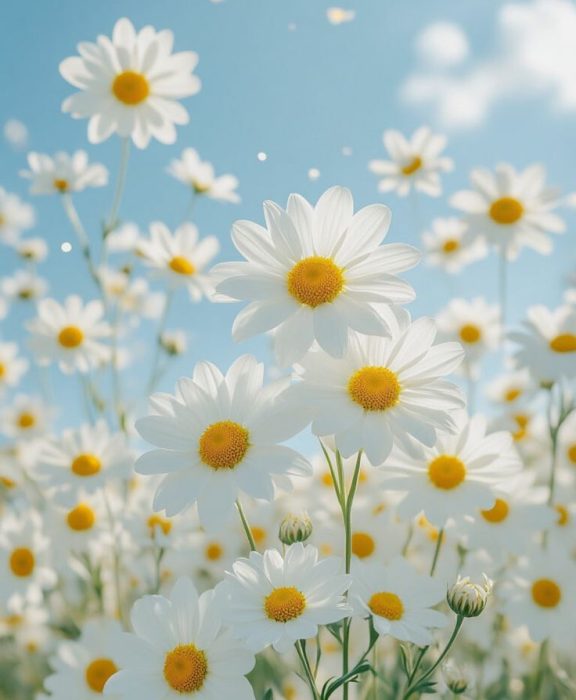
The daisy belongs to the Asteraceae family, which also includes sunflowers, asters, chrysanthemums, and many other composite flowers.
Disc Florets
The daisy belongs to the Asteraceae family, which also includes sunflowers, asters, chrysanthemums, and many other composite flowers.
Ray Florets
The white outer structures that resemble petals are individual flowers with elongated, petal-like forms. They create a clear visual border around the center.
This efficient structure gives pollinators access to many small flowers in one landing place. Bees, flies, butterflies, and other insects can move across the disc while collecting nectar and pollen. The daisy’s ecological value comes partly from this arrangement. A small flower head can provide more feeding opportunities than its size suggests.
Guide to the Daisy
Why the Name Means “Day’s Eye”
The English word daisy developed from the Old English expression “day’s eye.” The name refers to the behavior of common daisies, which often open in daylight and close during darkness or poor weather. Their yellow centers also resemble small suns surrounded by pale rays. This daily movement helped connect the flower with clarity, awakening, and new beginnings. It also made the daisy a natural subject for folklore and children’s traditions.
The familiar petal-plucking game associated with romantic uncertainty is one example of how the flower entered everyday culture. Its regular petal arrangement and easy availability made it suitable for simple games, garlands, and flower chains.
Which Daisy Do You Mean?
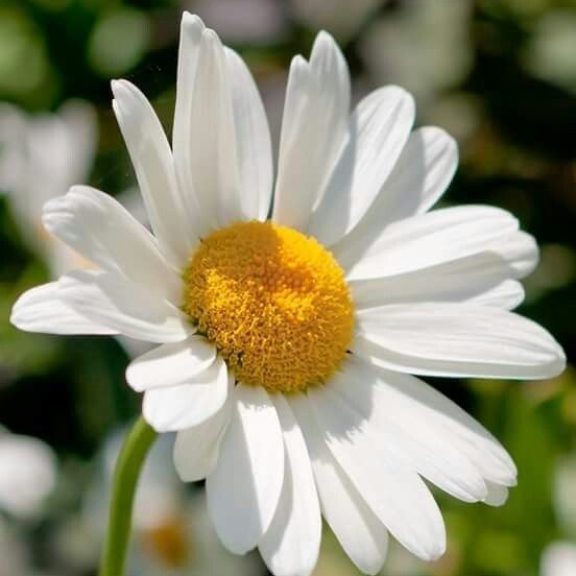
“Daisy” is a broad common name applied to several related flowers. They share a recognizable shape, but their size, growing habits, and garden uses can differ considerably.
Daisy Type | Appearance | Best Known Use |
Common daisy | Small white flowers, low leaves, short stems | Lawns, paths, informal planting |
Shasta daisy | Large white flowers on upright stems | Borders and cut-flower gardens |
Oxeye daisy | Tall wildflower with white rays | Meadows and naturalized areas |
Gerbera daisy | Large blooms in saturated colors | Bouquets, containers, floral gifts |
The common daisy, Bellis perennis, is the flower most closely associated with traditional European lawns and the familiar “day’s eye” name. Gerberas have become popular in modern floristry because they offer large blooms in orange, red, pink, yellow, cream, and many other shades. Their bold appearance creates a very different effect from the small common daisy.
Build a Daisy Gift Around the Recipient
The wide range of daisy types allows the gift to match different personalities and settings.
For Someone Who Likes Natural, Relaxed Flowers
Choose common, oxeye, or Shasta daisies with meadow grasses and light foliage. Keep the arrangement loose rather than tightly shaped.
For a Bold, Modern Bouquet
Use gerbera daisies in two or three strong colors. Their broad faces and clean stems work well in simple contemporary arrangements.
For an April Birthday
Combine daisies with a note explaining their connection with sincerity, happiness, and spring renewal.
For a Gardener
A perennial Shasta daisy or another locally suitable variety can provide flowers across several seasons. Confirm that the chosen type fits the recipient’s climate and available space.
For a Baby Shower or Family Celebration
White, cream, pale yellow, and soft pink daisies create a gentle palette without relying on formal wedding-style flowers.
From Buttonholes to Meadow Weddings
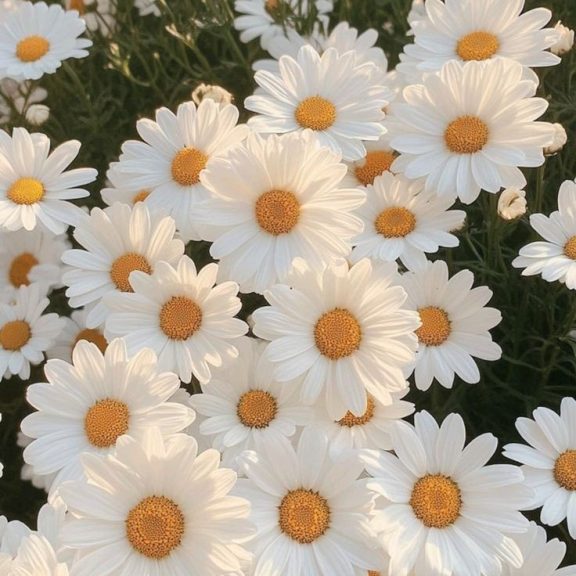
Daisies can support several design styles because their repeated circular form creates visual rhythm. They work particularly well in:
- meadow-inspired wedding arrangements
- hand-tied spring bouquets
- informal table flowers
- flower crowns and small accessories
- cottage garden borders
- low bowls with clustered blooms
- cheerful arrangements for kitchens and workspaces
A single daisy can look modest. Repetition creates impact. For a clean arrangement, use one daisy variety at the same height. For a meadow effect, combine different stem lengths with grasses, herbs, and smaller seasonal flowers.
Six Daisy Details Worth Remembering
- A daisy flower head contains many individual florets.
- The common daisy’s botanical name is Bellis perennis.
- The name “daisy” developed from an expression meaning “day’s eye.”
- Daisy relatives belong to one of the largest flowering plant families.
- Many types provide food for pollinating insects.
- Gerbera daisies offer a much broader color range than common lawn daisies.
All 24 Blooms
Explore More Birth Flowers
FAQ
Frequently Asked Questions About the Daisy Birth Flower`
Daisies flower during spring in many temperate regions and have long been connected with freshness, youthful energy, and seasonal renewal. These associations helped establish the daisy as one of April’s traditional birth flowers.
Daisies are commonly linked with sincerity, happiness, loyal affection, innocence, and new beginnings.
No. Common, Shasta, and oxeye daisies usually have white outer florets, but gerberas and other cultivated relatives come in pink, red, orange, yellow, cream, and additional shades.
A daisy flower head contains many tiny flowers. The center consists of disc florets, while the outer petal-like structures are ray florets.
Shasta daisies and gerbera daisies are common choices because they have longer stems and larger flowers. Smaller daisies can work well in informal, meadow-style arrangements.