February Birth Flowers: Violet, Primrose, and Their Meanings
February may be the shortest month, but its flowers carry an unusually rich mix of meanings. The violet, February’s primary birth flower, speaks of faithfulness, modesty, and lasting affection. The primrose, its secondary flower, brings a brighter message of young love, optimism, and the first signs of spring.
AT A GLANCE
Faithfulness, youth, hope.
The violet symbolizes loyalty, modesty, and everlasting devotion..
The primrose represents young love, fresh beginnings, and optimism.
February Birth Flowers at a Glance
- Primary birth flower: Violet
- Secondary birth flower: Primrose
- Main meanings: Loyalty, modesty, affection, youth, and renewal
- Common colors: Purple, blue, white, yellow, pink, and red
- Best gift format: A potted plant, small garden arrangement, or bouquet inspired by violet and primrose colors
Violet: February’s Primary Birth Flower
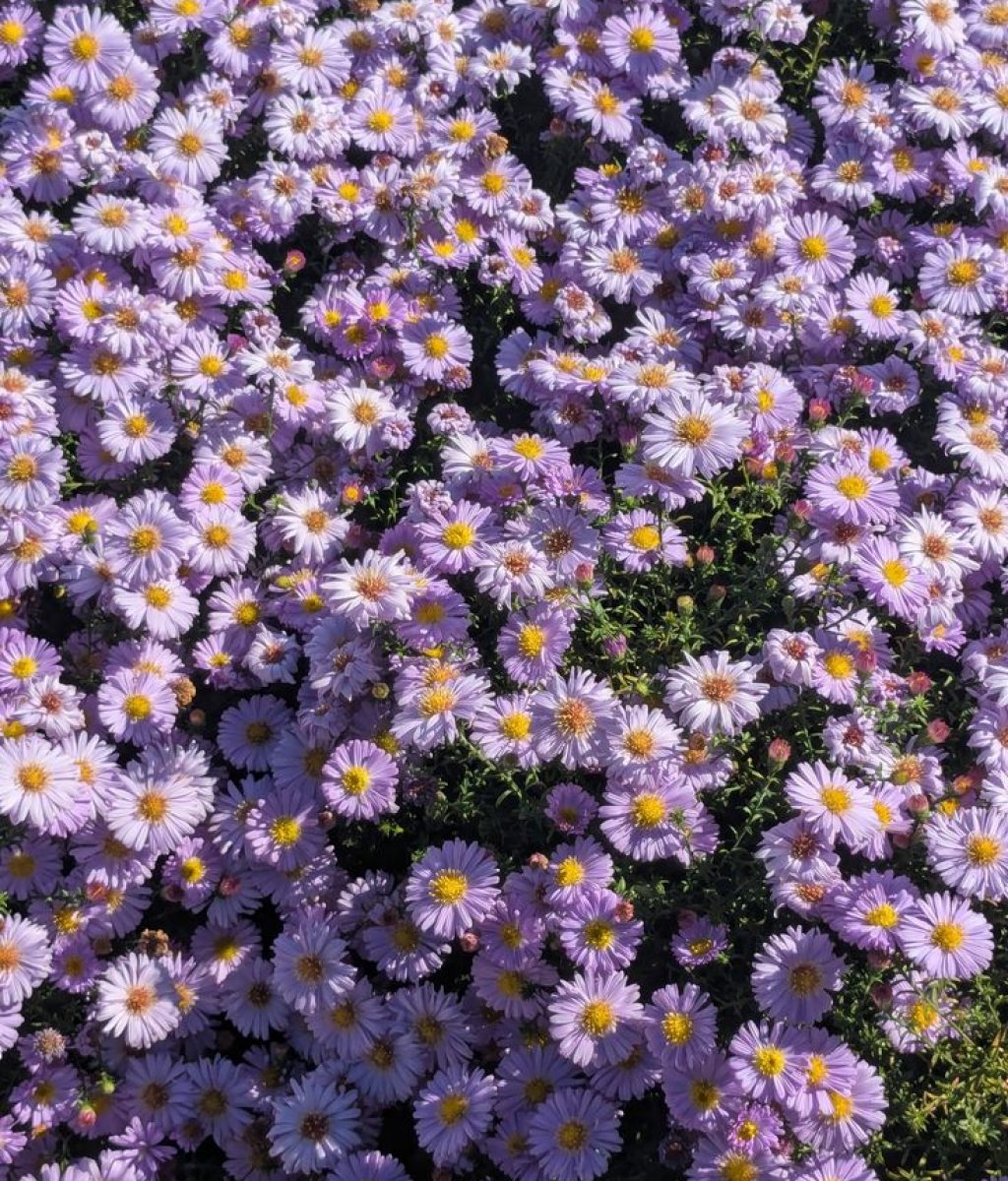
Violets are compact plants with heart-shaped leaves and five-petaled flowers in purple, blue, white, yellow, and occasionally pink. Sweet violets can flower from late winter into early spring, producing a delicate fragrance despite their small size.
Their meaning centers on faithfulness, humility, remembrance, and dependable love. Purple violets suggest devotion, while white varieties convey innocence and sincerity. This quiet symbolism makes them suitable for partners, close friends, parents, and anyone whose support deserves recognition.
Primrose: February’s Secondary Birth Flower
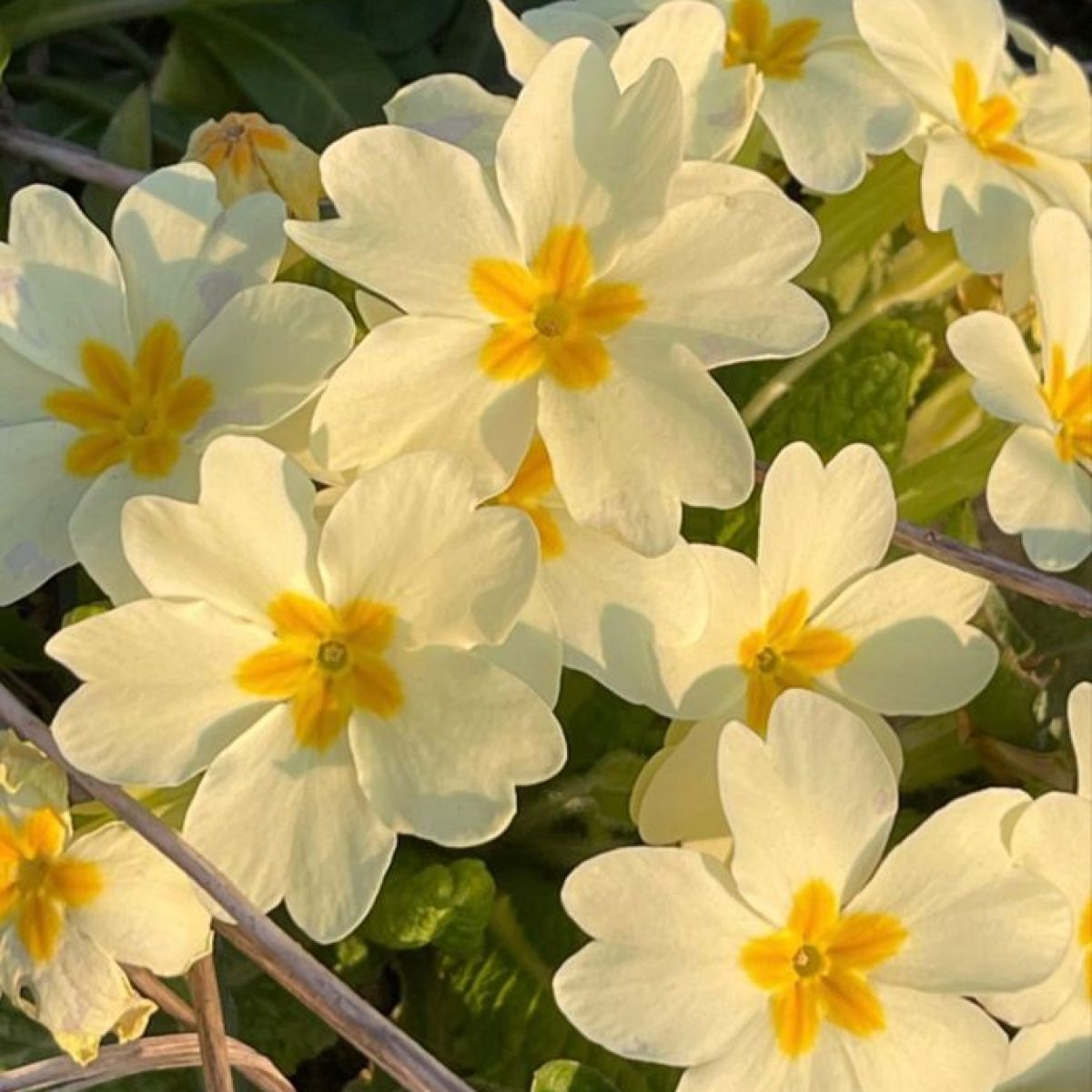
Primroses grow in leafy rosettes, with rounded flowers rising on short stems. Traditional pale-yellow primroses are especially familiar, although cultivated forms also appear in pink, red, purple, blue, orange, and white.
Why Romantic Flowers Dominate February
February’s association with romance comes mainly from Valentine’s Day, when flowers are exchanged as expressions of affection, admiration, and commitment. Roses now dominate that celebration, but February’s actual birth flowers communicate love in a quieter way. The violet emphasizes loyalty, while the primrose is traditionally connected with young or inseparable love.
Violets can acknowledge someone who has remained dependable over time. Their modest size suits relationships built on steady care rather than dramatic gestures. Primroses feel more hopeful and forward-looking, making them appropriate for new relationships, milestone birthdays, fresh starts, and encouraging gifts.
February, therefore, sits between two moods:
- The closeness and reflection of winter
- The anticipation and color of approaching spring
- Long-established affection
- The possibility of something new
This makes February different from January’s birth flowers, which focus more strongly on perseverance and renewal. It also prepares the way for the brighter spring symbolism of March birth flowers.
Birth Flowers for Every Day in February
An older floral tradition assigns a specific bloom to every calendar day. Find your birthday below and the meaning it carries.
February 1
February 1 Birth Flower: Primrose
Primroses carry rounded, brightly colored flowers above textured green leaves. For February 1, the flower conveys aspiration, emotional connection, and a desire for experiences that feel genuine and fulfilling. .
February 2
February 2 Birth Flower: Quince
Flowering quince produces vivid pink, red, white, or coral blossoms along woody branches, often before its leaves fully emerge. Its February 2 association highlights allure, creative expression, and the willpower to keep moving toward a goal.
February 3
February 3 Birth Flower: Wavy Bittercress
Wavy bittercress is a modest plant with tiny white flowers held above leafy stems. Its ability to grow in varied conditions supports themes of conscientiousness, buoyancy, and meeting challenges with careful determination.
February 4
February 4 Birth Flower: Red Primrose
Red primroses combine low, leafy growth with intensely colored petals and contrasting centers. This birthday flower points to personal evolution, clear intention, and the confidence to pursue a meaningful purpose.
February 5
February 5 Birth Flower: Fern
Ferns are valued for their arching fronds rather than conventional flowers. Their ancient lineage and preference for calm, sheltered environments give the February 5 plant meanings of camaraderie, tranquility, and respect for the lessons of the past.
February 6
February 6 Birth Flower: Rock Pine
Rock pine forms a compact succulent rosette with firm, pointed leaves that can withstand exposed growing conditions. Its date association celebrates energy, productivity, and the ability to remain focused while working through obstacles.
February 7
February 7 Birth Flower: Forget Me Not
Forget-me-nots are recognized by their tiny blue flowers and bright yellow centers. As their memorable name suggests, they reflect meaningful connections, personal value, and the lasting effect that kindness can have on another person.
February 8
February 8 Birth Flower: Saxifrage
Saxifrage plants frequently grow in rocky places, producing delicate flowers from surprisingly difficult terrain. For February 8, they express emotional awareness, active engagement, and the passion to take part rather than remain an observer.
February 9
February 9 Birth Flower: Crape Myrtle
Crape myrtle develops generous clusters of ruffled flowers, most commonly in pink, red, purple, or white. Its daily interpretation emphasizes consideration, friendliness, and a talent for communicating in ways that bring people together.
February 10
February 10 Birth Flower: Winter Daphne
Winter daphne produces strongly scented clusters of pink-and-white flowers during the colder part of the year. Blooming when few shrubs are active gives it a dignified character connected with honor, integrity, and high personal standards.
February 11
February 11 Birth Flower: Lemon Balm
Lemon balm is an aromatic herb with fresh, citrus-scented foliage and small pale flowers. Its welcoming character makes it a fitting sign of support, helpfulness, and the companionship of someone who brings reassurance during difficult moments.
February 12
February 12 Birth Flower: Justicia Procumbens
Justicia procumbens is a low-growing plant with small, intricately shaped purple or pinkish flowers. The February 12 interpretation draws attention to precision, clarity, and the courage to stand firmly for fairness.
February 13
February 13 Birth Flower: Canary Grass
Canary grass grows in upright clumps topped by narrow flower heads that move easily in the wind. It is connected with decisiveness, resourcefulness, and the belief that an ambitious objective can be made achievable.
February 14
February 14 Birth Flower: Chamomile
Chamomile has small daisy-like flowers with white petals surrounding raised yellow centers. Rather than relying on obvious romance for Valentine’s Day, this calendar connects it with persistence, sophistication, and the ability to manage complicated situations gracefully.
February 15
February 15 Birth Flower: Japanese Cedar
Japanese cedar is an evergreen conifer with dense foliage, reddish bark, and rounded cones. Its height and long-lived character lend it meanings of appreciation, recognition, and respect for contributions that deserve to be noticed.
February 16
February 16 Birth Flower: Bay Laurel
Bay laurel has glossy evergreen leaves and small yellow-green flowers. Because laurel wreaths were historically connected with achievement, the plant suits themes of ambition and victory, while this daily interpretation also emphasizes loyalty.
February 17
February 17 Birth Flower: Wildflower
Wildflowers grow without the uniform appearance of cultivated flowerbeds, creating color through natural variation. Their February 17 meaning celebrates originality, an unpredictable creative spirit, and the confidence to introduce new ideas.
February 18
February 18 Birth Flower: Buttercup
Buttercups are cheerful meadow flowers with glossy yellow petals that catch and reflect the light. This date connects their brightness with warmth, quick thinking, and a practical nature that helps turn affection into dependable action.
February 19
February 19 Birth Flower: Korean Oak e
Korean oak is a broad-canopied tree with lobed leaves and hanging spring catkins. Its ability to support life around it contributes to a daily meaning centered on curiosity, sociability, and bringing different people into one community.
February 20
February 20 Birth Flower: Kalmia
Kalmia, commonly called mountain laurel, bears clusters of intricately patterned pink or white flowers. The February 20 association combines hope for the future with rational judgment and a desire to treat people fairly.
February 21
February 21 Birth Flower: California Bluebell
California bluebells produce intensely blue, bell-shaped flowers that stand out against green foliage. For this birthday, they convey pride, confidence in one’s identity, and a willingness to protect the values that matter.
February 22
February 22 Birth Flower: Rose of Sharon
Rose of Sharon is a flowering shrub with large, hibiscus-like blooms in white, pink, purple, or blue-toned shades. Its bold display reflects passion, imagination, and the intensity to give wholehearted attention to a chosen pursuit.
February 23
February 23 Birth Flower: Apricot
Apricot trees cover their branches with pale pink or white blossoms before producing their familiar fruit. These early flowers suggest emotional depth, calm understanding, and the ability to create trust between people with different perspectives.
February 24
February 24 Birth Flower: Periwinkle
Periwinkle spreads through glossy foliage and simple five-petaled flowers, usually in blue, purple, or white. Its dependable growth supports meanings of responsibility, careful judgment, knowledge, and respect for memories that shape the present.
February 25
February 25 Birth Flower: Musk Rose
Musk roses bear fragrant, open flowers with visible golden stamens, commonly appearing in soft white or cream. The February 25 interpretation combines a nurturing nature with cleverness, developed skill, and a readiness to take worthwhile chances.
February 26
February 26 Birth Flower: Adonis
Adonis plants produce bright, cup-shaped flowers, with yellow forms bringing welcome color early in the growing season. Their birthday meaning joins treasured memories with curiosity and a desire to explore experiences beyond the familiar.
February 27
February 27 Birth Flower: Star of Arabia
Star of Arabia develops clusters of white, star-shaped flowers, often with a striking dark center. The February 27 tradition connects this distinctive bloom with ethical judgment, integrity, and remaining true to firmly held principles.
February 28
February 28 Birth Flower: Barley
Barley is a cereal grass with bristled seed heads that turn golden as the crop matures. Its long connection with harvests and food production makes it a sign of gratitude, abundance, and the rewards of cultivating available resources wisely.
February 29
February 29 Birth Flower: Armeria
Armeria forms tidy cushions of narrow foliage topped with rounded pink, white, or red flower heads. Reserved for a rare leap-day birthday, it carries ideas of mercy, mutual respect, tenacity, and the wisdom to treat oneself and others compassionately.
All 24 Blooms
Explore More Birth Flowers
FAQ
Frequently asked
The violet is generally recognized as February’s primary birth flower. The primrose is its secondary flower, giving the month two traditional choices.
Violets communicate loyalty, modesty, remembrance, and faithful affection. Primroses bring meanings of youth, hope, young love, and renewal. Together, they describe affection that is dependable but still open to new possibilities.
Sweet violets can begin flowering during late winter or early spring, placing their natural season close to February. Their historical meanings of faithfulness and lasting love also suit a month closely connected with Valentine’s Day.
The daily calendar assigns chamomile to February 14. Its interpretation emphasizes persistence, refinement, and the ability to understand life’s complexities rather than using the more predictable Valentine’s rose.
Armeria is the flower assigned to February 29 in this daily calendar. It is associated with mercy, respect, compassion, and the distinctive nature of a leap-day birthday.