Marigold: October's Golden Birth Flower
As summer gives way to cooler days, marigolds step into the spotlight. The Marigold is one of October’s birth flowers, celebrated for its glowing shades of gold, orange, yellow, and deep red that keep gardens vibrant well into autumn. While many plants begin winding down for the season, marigolds continue producing cheerful blooms, making them one of the most dependable flowers of the year.
Their bright appearance has earned them a place in home gardens, public landscapes, festive decorations, and seasonal bouquets across the globe. Whether you’re exploring annual birth flowers or searching for a meaningful birthday bloom, marigolds offer a combination of beauty, resilience, and rich tradition that has stood the test of time.
AT A GLANCE
Love, admiration, devotion.
A cherished flower for celebrating life's special moments.
Why Marigolds Are the Signature Flower of Autumn
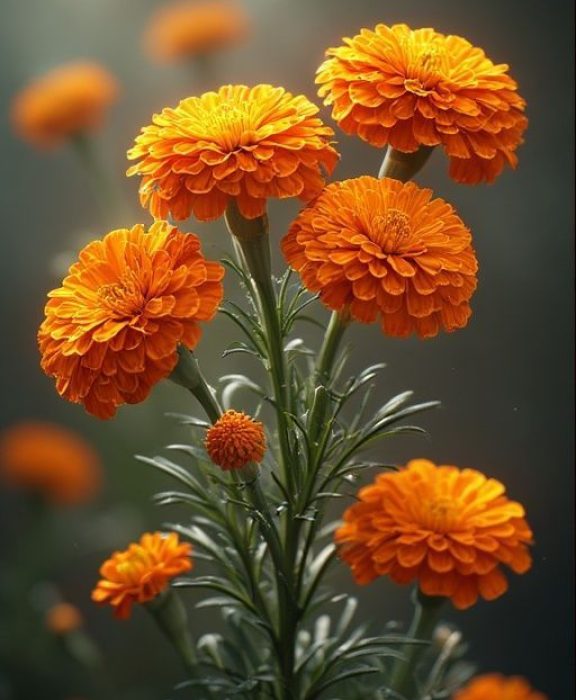
Few flowers capture the spirit of autumn quite like marigolds. Their ability to bloom continuously from early summer until the first frost makes them a reliable source of color during a season when many other flowers have finished flowering.
Unlike short-lived seasonal blooms, marigolds thrive as temperatures gradually cool. Gardeners often use them to refresh borders, brighten containers, and extend the life of summer displays without needing complicated care.
Their versatility also explains their popularity in seasonal celebrations around the world. Marigolds appear in harvest festivals, community events, decorative displays, and cultural traditions, where their vivid colors naturally complement the warm tones of autumn leaves and pumpkins.
Another reason for their lasting appeal is their adaptability. Marigolds flourish in formal gardens, cottage landscapes, vegetable plots, and even small balconies, proving that impressive seasonal color doesn’t require a large garden.
Guide to the Marigold
How to Recognize a Marigold
Although marigolds include several species and varieties, most share a number of features that make them easy to identify.
Look for these characteristics:
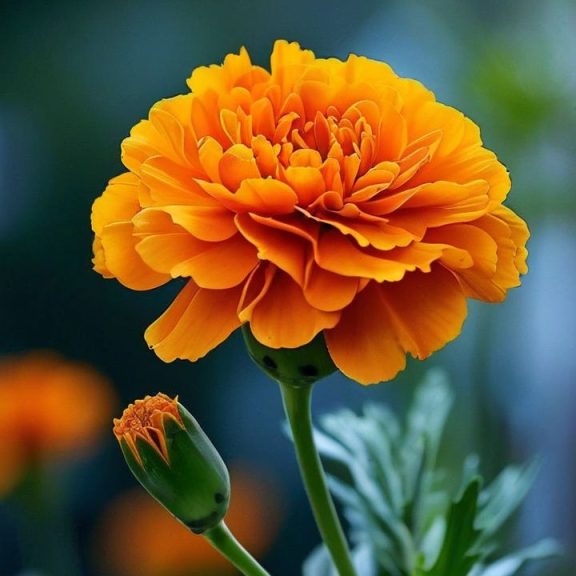
- Rounded, pompom-like or ruffled flowers with densely layered petals.
- Blooms that may be single or double, depending on the variety.
- Bright shades of yellow, gold, orange, deep red, and bi-coloured combinations.
- Bushy green foliage with a distinctive aromatic scent.
- Continuous flowering from late spring or early summer until the first frost.
French vs. African Marigolds
- French marigolds are compact, bushy plants with smaller blooms, making them ideal for borders, edging, containers, and window boxes.
- African marigolds grow taller and produce large, full flower heads, making them a popular choice for garden beds and bold landscape displays.
Marigold Colors and Their Meanings
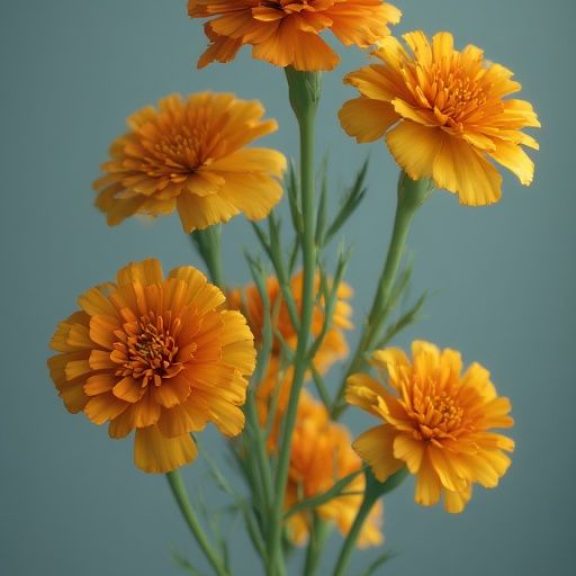
Different shades subtly influence the traditional meaning associated with marigolds.
Color | Traditional Meaning | Best Suited For |
Orange | Energy, enthusiasm, creativity | Celebrations, achievements, birthdays |
Yellow | Joy, optimism, friendship | Thank-you gifts, encouragement, new opportunities |
Gold | Success, abundance, warmth | Milestones, promotions, seasonal arrangements |
Red or Bi-Colored | Passion, confidence, determination | Personal accomplishments and bold celebrations |
While individual meanings vary, marigolds are widely associated with warmth, positivity, and appreciating life’s meaningful moments.
Why Marigolds Keep Blooming for Months
One of the biggest reasons gardeners love marigolds is their exceptionally long flowering season. Rather than producing a single flush of blooms, healthy plants continuously develop new buds throughout the growing season.
Several factors contribute to this impressive display:
- warm temperatures encourage steady flower production
- full sun promotes stronger growth and more blooms
- removing faded flowers (deadheading) encourages new buds to form
- many varieties naturally produce flowers from early summer until frost
- regular watering and well-drained soil help plants remain vigorous throughout the season
With only basic care, marigolds can provide continuous colour for several months, making them one of the most dependable annual flowers for gardens, containers, and borders.
Interesting Marigold Facts
Marigolds have earned their popularity for reasons that go far beyond their appearance.
- Most garden marigolds belong to the Tagetes genus within the daisy family (Asteraceae).
- Although strongly associated with Europe, many popular species originated in Mexico and Central America.
- Bees, butterflies, and other beneficial insects regularly visit marigold flowers for nectar and pollen.
- Certain varieties are commonly planted alongside vegetables because gardeners believe they help discourage some garden pests.
- Edible marigold petals are sometimes used to add color to salads, desserts, and herbal teas. (Only culinary-safe varieties should be consumed.)
- Their flowers produce natural pigments that have traditionally been used in dyes and food coloring.
- Marigolds are among the easiest annual flowers to grow from seed, making them a favorite for beginner gardeners.
All 24 Blooms
Explore More Birth Flowers
FAQ
Frequently Asked Questions - Marigolds
Marigolds reach their peak display during autumn, producing vibrant blooms throughout October when many other flowers have faded. Their resilience and brilliant seasonal color made them a natural choice as one of October's official birth flowers.
French marigolds are smaller, bushier plants with compact flowers that work well in borders and containers. African marigolds grow much taller and produce larger blooms, making them ideal for creating dramatic garden displays.
Most marigolds grown in home gardens are annuals, completing their life cycle in one season. In warm climates, some varieties may reseed naturally or behave as short-lived perennials.
Research suggests certain marigold varieties can discourage some soil pests, such as root-knot nematodes, while their strong scent may help deter a few insects. They are best viewed as one useful part of a broader companion planting strategy rather than a complete pest-control solution.
Yes. Marigolds perform exceptionally well in containers provided they receive full sun, have good drainage, and are watered regularly. Compact French marigolds are especially well-suited to balconies, patios, and window boxes.