September Birth Flowers: Meanings, Symbolism, and Daily Birthday Flowers
The two official September birth flowers are aster and morning glory. Asters bring star-shaped flowers to borders when many summer plants are slowing down. Morning glories take the opposite approach, producing trumpet-shaped blooms that open for a limited part of the day. Together, they carry meanings connected with love, affection, wisdom, faith, remembrance, and the passing nature of time.
AT A GLANCE
Faith, love, renewal.
The aster for faith and enduring love.
The morning glory for new beginnings and affection.
Aster: The Star-Shaped September Birth Flower
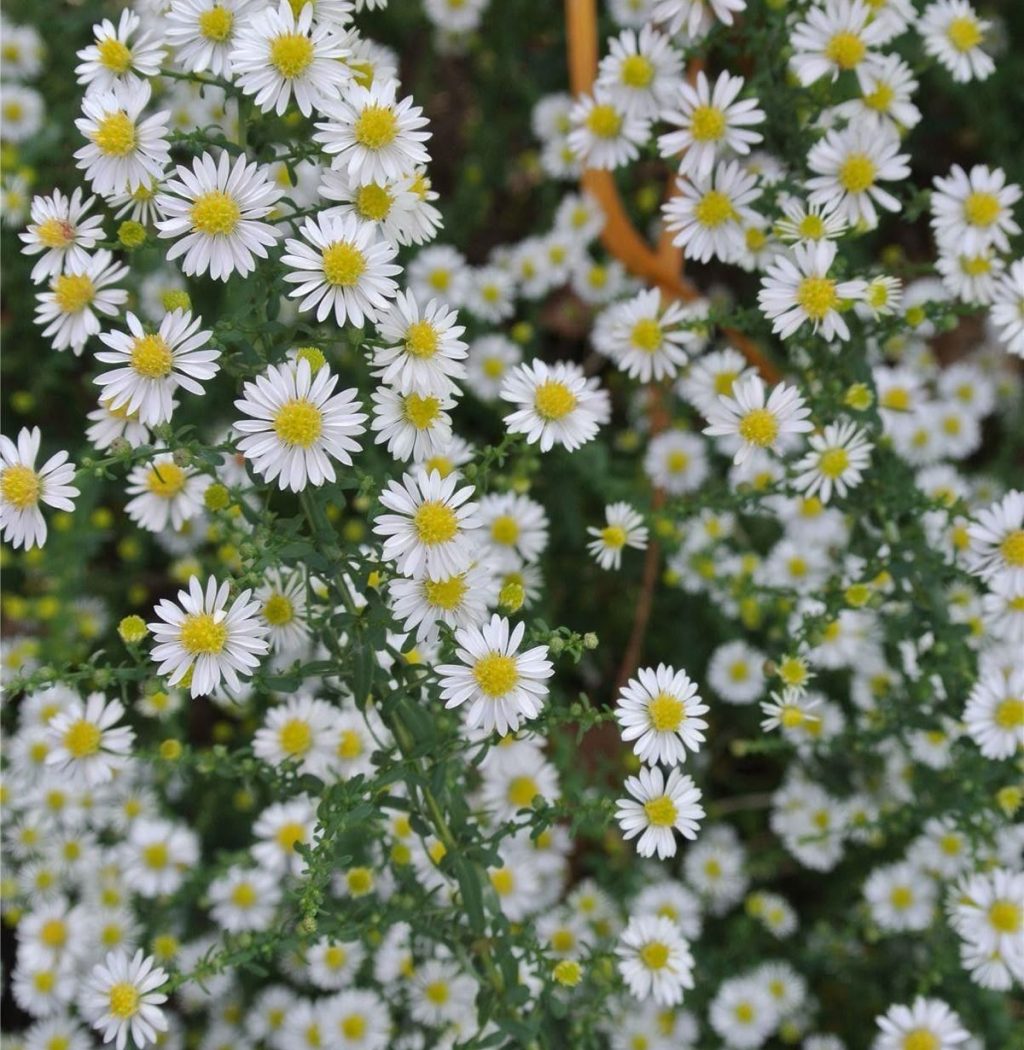
Asters produce daisy-like flower heads with slender rays surrounding a central disc. Purple and blue are especially familiar colors, although pink and white varieties are also common. Many asters reach their best display from late summer into autumn, providing valuable color as the season begins to change.
The name comes from the Greek word for star, a reference to the shape of the flower head. Traditional meanings include love, wisdom, faith, patience, and remembrance.
Their late flowering is central to their September identity. Asters do not signal the beginning of the growing season; they arrive when the garden is becoming more selective about what remains in bloom.
Morning Glory: A Flower Measured in Hours
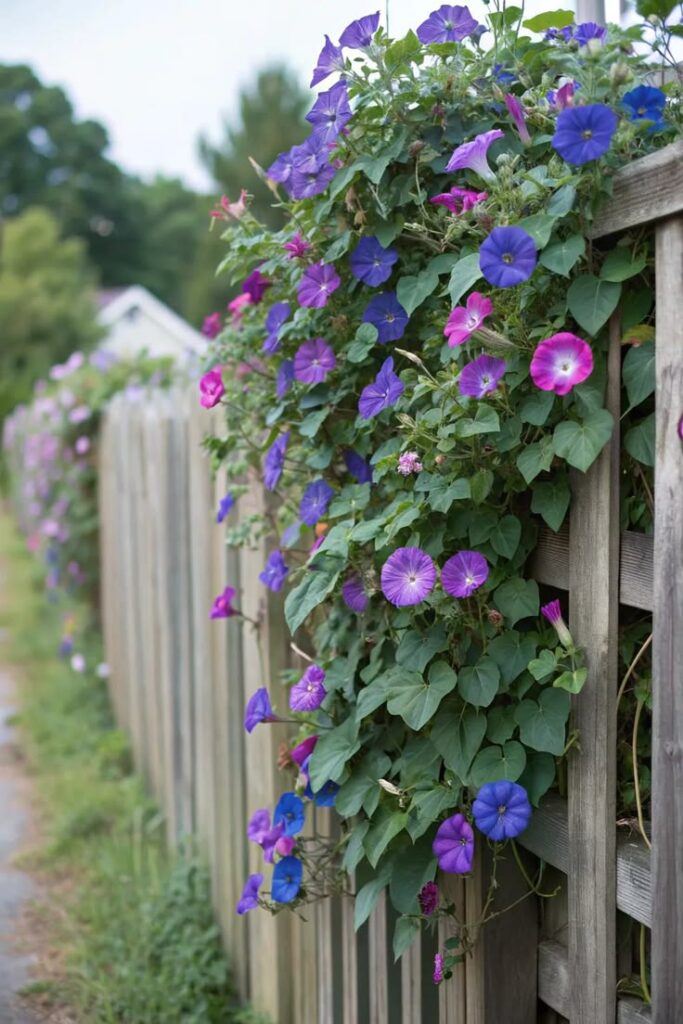
Morning glories are fast-growing climbers with twining stems, heart-shaped leaves, and trumpet-shaped flowers. Purple and blue are classic colors, but blooms may also appear in pink, white, and patterned combinations.
Many morning glory flowers open early and fade or close later in the day. That short display has shaped their traditional language, which includes affection, love, longing, and the fleeting nature of beautiful moments.
Rather than marking September through autumn color, morning glory captures the remaining warmth and long-established growth of the season. Read more in the complete morning glory birth flower guide.
September Is Where Two Flowering Seasons Meet
Some plants are reaching their peak. Others are finishing. A few are already showing the first stages of autumn dormancy. This overlap is what separates September from the more settled character of midsummer.
Asters belong firmly to the late-flowering group. They become increasingly noticeable as earlier perennials fade, filling borders with blue, violet, pink, and white. Dahlias also continue strongly, while autumn crocus appears with flowers that seem to emerge directly from the ground.
At the same time, the month still contains plants associated with warmth. Nasturtiums may continue flowering until frost. Morning glory vines can remain vigorous in suitable conditions. Rosemary and aloe bring an entirely different type of foliage and growth.
Then the calendar begins to turn toward woody plants.
Japanese elm, weeping willow, Japanese yew, Korean oak, apple, and Japanese cedar all appear among September’s daily associations. Their presence changes the character of the list. Flowers are no longer the only source of interest; leaves, fruit, bark, seed, and evergreen structure begin to matter as well.
Birth Flowers for Every Day in September
An older floral tradition assigns a specific bloom to every calendar day. Find your birthday below and the meaning it carries.
september 1
September 1st Birth Flower: Aster
Asters open star-like flower heads when many earlier perennials are beginning to decline. For September 1st, they carry ideas of wisdom, patient affection, faith, and beauty that arrives at exactly the right stage of the season.
september 2
September 2nd Birth Flower: Morning Glory
Morning glory climbs by wrapping its stems around nearby support and opens its trumpets early in the day. Its short-lived flowers give September 2nd a message of affection, renewal, and appreciating what cannot be made permanent.
september 3
September 3rd Birth Flower: Marguerite Daisy
Marguerite daisies have crisp white rays around sunny yellow centers and a light, open growth habit. Their uncomplicated appearance lends this birthday flower a sense of honesty, cheerfulness, and ease.
september 4
September 4th Birth Flower: Geum
Geum produces cup-shaped flowers in shades including yellow, orange, and red. Held above leafy growth on slender stems, the blooms bring warmth and spirited energy to the September 4th birthday.
september 5
September 5th Birth Flower: Japanese Elm
Japanese elm is valued for its spreading form, textured bark, and changing foliage rather than a showy floral display. As a birthday tree, it suggests steadiness, maturity, and strength that develop gradually.
september 6
September 6th Birth Flower: Nasturtium
Nasturtiums pair rounded leaves with bright, spurred flowers in fiery yellows, oranges, and reds. Their traditional language includes victory and courage, while their vigorous growth adds an unmistakable sense of confidence.
september 7
September 7th Birth Flower: Sweet Orange
Sweet orange trees carry fragrant white blossoms before producing their familiar fruit. The combination of perfume and productivity gives this date themes of generosity, abundance, and the promise of good things still developing.
september 8
September 8th Birth Flower: Mustard Plant
Mustard plants produce clusters of small yellow flowers before setting seed. Their transformation from delicate bloom to a widely used spice makes usefulness, energy, and unexpected potential fitting ideas for September 8th.
september 9
September 9th Birth Flower: Michaelmas Daisy
Michaelmas daisies are late-flowering asters that bring violet, blue, pink, or white color to the changing garden. Their timing makes endurance and dependable affection especially appropriate.
september 10
September 10th Birth Flower: China Aster
China asters form full flower heads in a broad range of colors and shapes. Their polished appearance gives this birthday flower a character of elegance, variety, and thoughtful attention.
september 11
September 11th Birth Flower: Krantz Aloe
Krantz aloe forms substantial rosettes of fleshy leaves and sends up vivid orange-red flower spikes. Its water-storing foliage gives September 11th a strong theme of preparedness and resilience.
september 12
September 12th Birth Flower: Clematis
Clematis climbs toward the light and may cover supports with large, open flowers. Its ability to turn a plain wall or trellis into a vertical display makes ingenuity and mental resourcefulness suitable interpretations.
september 13
September 13th Birth Flower: Weeping Willow
Long, flexible branches give the weeping willow its unmistakable downward form. Its established connection with remembrance and sorrow is balanced by the tree’s graceful movement and preference for life near water.
september 14
September 14th Birth Flower: Quince
Quince produces attractive blossom before developing aromatic golden fruit. The change from ornamental flower to useful harvest gives this birthday plant a sense of promise fulfilled through patience.
september 15
September 15th Birth Flower: Dahlia
Dahlias range from neat geometric forms to enormous, densely petaled blooms. Their extraordinary variety makes dignity, creativity, and remaining true to one’s individual character natural themes.
september 16
September 16th Birth Flower: Japanese Gentian
Japanese gentian produces deep blue or violet, trumpet-like flowers late in the growing season. Its intense color and autumn timing give the plant a composed sense of perseverance.
september 17
September 17th Birth Flower: Cornish Heath
Cornish heath carries clusters of small pink or purple flowers across low evergreen growth. Its association with exposed landscapes makes independence and beauty in demanding conditions fitting ideas for this date.
september 18
September 18th Birth Flower: Japanese Thistle
Japanese thistle combines a spiny structure with vivid purple flower heads. The contrast creates a clear birthday message: boundaries and beauty can exist together.
september 19
September 19th Birth Flower: Carex
Carex, or sedge, is valued mainly for its narrow leaves and distinctive seed heads rather than conventional petals. Its restrained form gives September 19th a quieter language of adaptability and understated strength.
september 20
September 20th Birth Flower: Rosemary
Rosemary carries aromatic, needle-like leaves and small flowers, often in shades of blue. Its long-standing connection with remembrance makes loyalty and keeping important people in mind its clearest themes.
september 21
September 21st Birth Flower: Autumn Crocus
Autumn crocus sends up pink, lilac, or white flowers when most spring bulbs are long finished. Its unexpected timing gives the date a compelling idea: renewal does not belong to one season.
september 22
September 22nd Birth Flower: Quaking Grass
Quaking grass bears delicate, flattened flower heads that tremble on fine stems with the slightest movement of air. It brings sensitivity, responsiveness, and graceful flexibility to the September 22nd birthday.
september 23
September 23rd Birth Flower: Japanese Yew
Japanese yew is an evergreen conifer with dark needles and red, berry-like structures. Its year-round foliage makes endurance and continuity suitable meanings, although the plant is toxic and should never be treated as edible.
september 24
September 24th Birth Flower: Orange Blossom
Orange blossom combines white petals with an intense, sweet fragrance. Because the flowers precede fruit, they have long carried themes of fertility, happiness, and the hopeful beginning of something lasting.
september 25
September 25th Birth Flower: Wild Oat
Wild oats are grasses whose flower and seed structures move freely on slender stems. Their association with open ground gives this date an independent, untamed character.
september 26
September 26th Birth Flower: Persimmon
Persimmon flowers are modest compared with the brilliant orange fruit that follows. The plant offers a useful lesson in delayed reward, making patience and abundance natural themes for September 26th.
september 27
September 27th Birth Flower: Korean Oak
Korean oak brings the substantial structure associated with the oak family and produces acorns rather than showy flowers. Strength, endurance, and a legacy that develops over time suit this birthday tree.
september 28
September 28th Birth Flower: Love-Lies-Bleeding
Long, drooping ropes of deep red flowers give love-lies-bleeding one of the most dramatic silhouettes in the calendar. Its historic name and appearance connect it with intense emotion and affection that refuses to remain hidden.
september 29
September 29th Birth Flower: Apple
Apple blossom begins the tree’s journey toward fruit months before harvest. As a birthday plant, the apple carries ideas of preference, generosity, knowledge, and the eventual results of careful growth.
september 30
September 30th Birth Flower: Japanese Cedar
Japanese cedar is a tall evergreen conifer with dense, textured foliage. It closes the September calendar with themes of longevity, permanence, and structure that remains after seasonal flowers have disappeared.
All 24 Blooms
Explore More Birth Flowers
FAQ
Frequently asked
The name aster comes from the Greek word for “star,” referring to the flower head’s radiating shape. The narrow outer florets spread around the center like rays.
Many individual morning glory blooms are short-lived and may open in the morning before closing or fading later. The vine itself can continue producing fresh flowers, so the overall display lasts much longer than a single bloom.
Yes. “Michaelmas daisy” is a traditional common name used for several late-flowering asters and closely related plants. Its appearance on September 9th therefore gives the month another connection with the broader aster group.
Daily birth-flower traditions often use the word “flower” broadly. The calendar can include flowering trees, herbs, grasses, fruiting plants, and other botanically significant species rather than only conventional bouquet flowers.
September 21st is assigned to autumn crocus. Unlike familiar spring crocuses, it flowers later in the year, creating a bulb-like display when many gardeners expect the flowering season to be slowing down.