Hawthorn: May's Blossoming Birth Flower
As one of May’s traditional birth flowers, hawthorn represents far more than seasonal beauty. It has long been associated with hope, protection, endurance, and renewal, qualities shaped not only by its blossoms but also by its remarkable resilience and deep connection to the landscapes where it grows.
For anyone celebrating a May birthday, hawthorn is a reminder that strength and beauty often grow together. It is a flower that speaks of fresh beginnings while remaining firmly rooted in tradition, making it one of the most meaningful birth flowers of the year.
AT A GLANCE
Love, admiration, devotion.
A cherished flower for celebrating life's special moments.
More Than a Blossom: The Tree That Supports Every Season
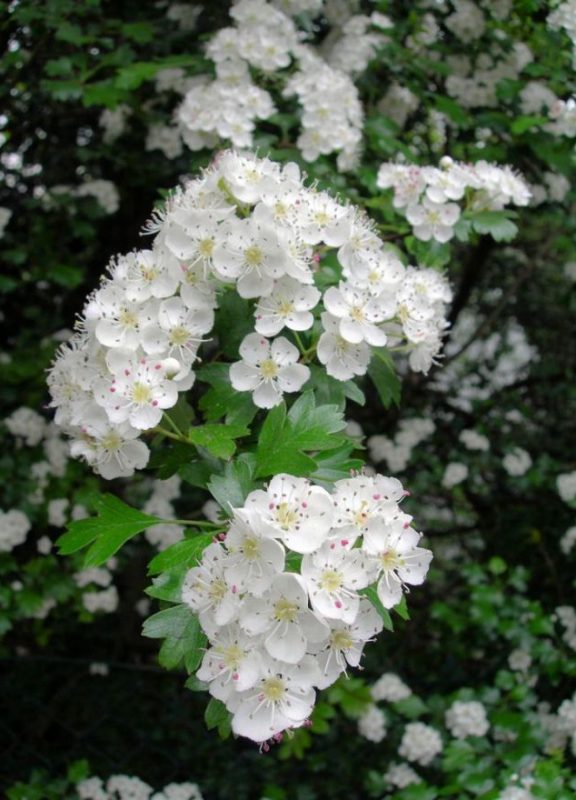
Most birth flowers are appreciated for a few weeks of spectacular bloom before fading into the background. Hawthorn is different.
Although its spring blossoms are undoubtedly its most recognizable feature, the tree continues to play an important role long after flowering ends. Dense green foliage creates shelter for nesting birds during summer, while autumn brings bright clusters of berries that become an important food source for wildlife as temperatures begin to fall. Even in winter, when the branches stand bare, their thorny framework offers protection for small animals against predators and harsh weather.
This constant contribution has made hawthorn one of the most valuable native trees across many rural landscapes. Rather than existing as a decorative feature alone, it becomes part of an ecosystem that changes with every season.
Its role is especially noticeable in traditional hedgerows, where hundreds of interconnected hawthorns create natural corridors linking fields, woodlands, and gardens. These living boundaries allow birds, insects, and mammals to move safely through the countryside while providing nesting sites, shelter, and food throughout the year.
For gardeners hoping to support local wildlife, few flowering trees offer such a balanced combination of beauty and ecological value.
Guide to the Hawthorn
Why Hawthorn Represents Hope, Protection, and Endurance
Hawthorn blossoms arrive after months of cold weather, making hope one of its strongest traditional associations. They signal that the landscape has recovered from winter and that another growing season has begun.
Protection comes from the tree’s naturally thorny branches. For centuries, these formed living fences around fields and villages, keeping livestock secure while creating safe nesting places for wildlife. Those practical uses eventually gave rise to the belief that hawthorn also represented emotional security, stability, and the protection of home.
Endurance is perhaps the meaning that best defines the tree. Many hawthorns live for well over a century, with some surviving several hundred years. During that time, they witness changing generations, evolving landscapes, and countless seasons of blossom and fruit.
Its message is quietly reassuring: true strength is built gradually, rooted deeply, and renewed every spring rather than appearing all at once.
The Story Behind Hawthorn's Symbolism
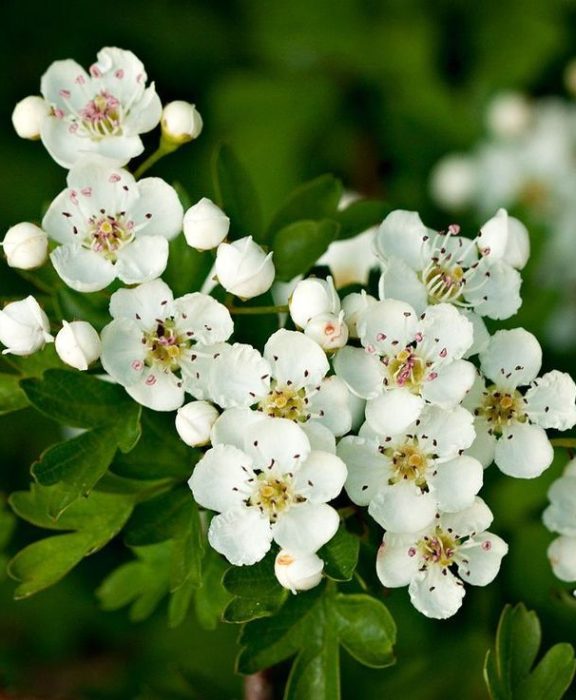
The symbolism of hawthorn wasn’t created overnight. It developed naturally from the way people lived alongside the tree for centuries.
Because hawthorn flowers appear just as spring reaches its fullest expression, they became closely associated with optimism, abundance, and the promise of warmer days ahead. Communities across Britain and Ireland often looked to flowering hawthorns as one of nature’s clearest signs that the landscape had fully awakened after winter.
This seasonal timing linked the tree with traditional May celebrations, including Beltane, when communities welcomed the arrival of summer through music, dancing, greenery, and outdoor gatherings. While customs differed between regions, hawthorn blossom frequently appeared as part of these celebrations, helping the tree become associated with joy, fertility, love, and new beginnings.
At the same time, hawthorn earned a reputation quite unlike most flowering trees.
Ancient hedgerows protected farmland, marked boundaries, and sheltered livestock. Their sharp thorns created natural barriers that were both practical and difficult to cross. Over generations, this physical protection gradually evolved into symbolic protection, with hawthorn becoming associated with safeguarding homes, families, and communities.
These two identities, celebration and protection, exist side by side, giving hawthorn a richness of meaning that few birth flowers possess.
Growing Hawthorn in the Garden
Planting a hawthorn is less like adding another flowering shrub and more like investing in the future of your garden. Given enough space, it can provide blossom, autumn colour, wildlife habitat, and structure for decades.
Before planting, think beyond its spring flowers. A mature hawthorn becomes part of the landscape, so choosing the right location matters from the beginning.
For the healthiest growth, look for a site with:
- Full sun or light partial shade.
- Well-drained soil.
- Enough room for the tree’s mature height and spread.
- Space away from narrow paths where thorns could become a nuisance.
- Good airflow around the canopy.
Young trees benefit from regular watering during their first few growing seasons, but established specimens are generally low-maintenance. Occasional pruning helps remove damaged or overcrowded branches, although many gardeners allow hawthorn to develop its naturally rounded shape.
If you’re creating a wildlife-friendly garden, hawthorn is one of the best long-term investments you can make. Its blossoms feed pollinators in spring, dense branches provide nesting sites throughout summer, and the berries support birds well into autumn and winter.
All 24 Blooms
Explore More Birth Flowers
FAQ
Frequently Asked Questions - Hawthorn
Hawthorn flowers during late spring across many temperate regions, making it closely associated with May. Its long history in seasonal celebrations and folklore also helped establish it as one of the month's traditional birth flowers.
Hawthorn commonly represents hope, protection, endurance, renewal, and lasting relationships. These meanings developed from the tree's long lifespan, protective thorns, and dependable return to bloom each spring.
Yes. Hawthorn is considered one of the most wildlife-friendly native trees. Its blossoms provide nectar for pollinators, dense branches offer nesting sites, and the autumn berries feed birds and small mammals.
Many gardens have enough space for cultivated hawthorn varieties, provided there's room for the tree to reach its mature size. It's best planted where its thorny branches won't interfere with walkways or play areas.
Properly identified ripe haws have been used in traditional recipes, but they require careful preparation. If you're unfamiliar with foraging, it's safer to leave wild berries untouched or purchase products made by reputable suppliers.