Lily of the Valley: May's Delicate Birth Flower
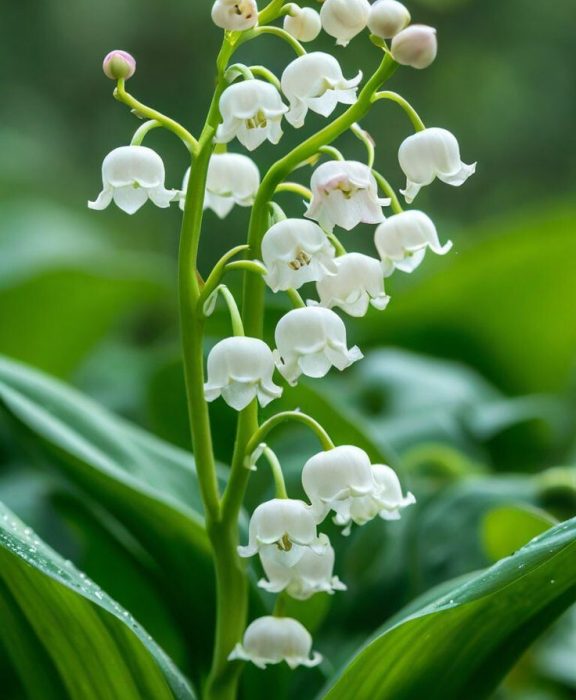
Lily of the valley, May’s birth flower, creates one of the most recognizable scent experiences in the spring garden. Each stem carries a row of small, downward-facing bells beneath broad green leaves. The flowers occupy little physical space, yet their perfume can spread through a shaded border or add a distinctive fragrance to a bridal bouquet.
AT A GLANCE
Love, admiration, devotion.
A cherished flower for celebrating life's special moments.
Why Lily of the Valley Continues to Fascinate Gardeners
Lily of the valley is proof that a flower doesn’t have to be large or brightly coloured to leave a lasting impression. Its tiny white bells often disappear beneath broad green leaves, yet their fragrance can drift surprisingly far through a shaded garden. For many gardeners, that’s exactly what makes the plant so memorable. Rather than demanding attention, it rewards anyone who walks close enough to notice its delicate perfume.
That fragrance has inspired perfumes, soaps, candles, and cosmetics for generations. Interestingly, however, the flower’s natural scent cannot be extracted in the same way as rose or lavender. Instead, perfumers recreate it using carefully blended ingredients that capture its fresh, green, and softly floral character. The result may remind people of lily of the valley, but it never perfectly matches the living flower, whose fragrance changes with temperature, humidity, and the stage of bloom.
Growing the plant is therefore an experience that bottled fragrance can’t completely replace. Positioning it beside a woodland path, garden bench, or shaded entrance allows its perfume to become part of the landscape rather than something noticed only when flowers are cut for a vase.
Guide to the Lily of the Valley
A Flower That Became a Wedding Favourite
Few flowers have become as closely linked with weddings as the lily of the valley. Its graceful white bells have long represented purity, fresh beginnings, and the traditional message of “the return of happiness.” Together, these meanings made it a natural choice for celebrating marriage, new chapters, and life’s happiest milestones.
While the flower is beautiful, it’s also one of the more demanding choices for wedding floristry because:
- Its blooming season is short. Fresh stems are available for only a limited period in spring, making them harder to source than many year-round flowers.
- The stems require careful handling. Their delicate flowers bruise easily, so florists often reserve them for premium arrangements.
- They work best as an accent flower. Rather than dominating a bouquet, lily of the valley softens arrangements with subtle texture, fragrance, and movement.
- Many couples choose inspired alternatives. Embroidered details, jewellery, botanical illustrations, or perfumes featuring a lily-of-the-valley accord allow its symbolism to remain part of the celebration when fresh flowers aren’t practical.
Growing Lily of the Valley Successfully
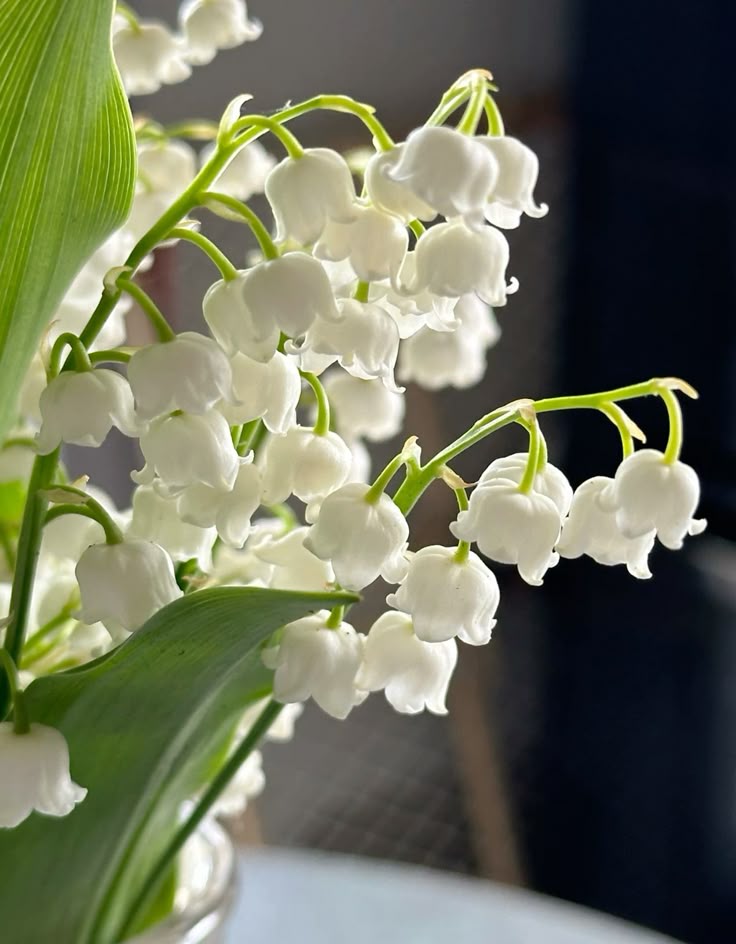
Despite its delicate appearance, lily of the valley is surprisingly resilient once established. It naturally grows in deciduous woodlands, where spring sunshine reaches the ground before trees develop their full canopy. By the time summer arrives, the surrounding shade helps protect the plant from excessive heat while rich woodland soil keeps its roots cool and evenly moist.
Those woodland origins explain why it performs so well beneath mature trees, alongside ferns, hostas, and other shade-loving perennials. Instead of competing with sun-loving flowers, lily of the valley thrives in parts of the garden that many flowering plants struggle to fill.
Before planting, it’s worth keeping a few growing habits in mind:
- It spreads naturally through underground rhizomes. A small planting can gradually develop into a lush carpet of fragrant spring flowers if given enough room.
- Woodland conditions produce the best results. Partial shade, moisture-retentive soil, and protection from intense afternoon sun closely mimic its natural habitat.
- Small gardens may require occasional management. Dividing mature clumps or growing the plant in contained beds helps prevent it from spreading beyond its intended space.
- The foliage remains attractive after flowering. Even once the blossoms fade, the broad green leaves continue adding texture and colour to shaded borders through much of spring and early summer.
Given the right conditions, lily of the valley rewards gardeners with dependable spring displays that return year after year with very little maintenance.
Beautiful, But Handle With Care
Lily of the valley is admired for its elegance, yet it’s also one of the garden’s most toxic ornamental plants. Every part of Convallaria majalis contains naturally occurring cardiac glycosides, including the flowers, leaves, stems, berries, and underground rhizomes. Even the water left in a vase after cut flowers have stood for several days should be treated with caution.
That doesn’t mean the plant should be avoided, but it does deserve careful placement and handling.
Keep these precautions in mind:
- Choose the planting location carefully. Avoid areas where young children or curious pets regularly play, especially because the bright red berries may appear tempting.
- Handle established plants responsibly. Wearing gloves while dividing mature clumps and washing hands afterwards is a sensible precaution.
- Treat cut flowers with the same care. Vase water should be discarded safely and kept away from food preparation areas.
- Never assume ornamental plants are edible. Despite its delicate appearance, lily of the valley should never be used as a garnish or consumed in any form.
With a little common sense, gardeners can safely enjoy one of spring’s most beautiful woodland flowers while avoiding unnecessary risks.
A Meaningful Gift Beyond the Bouquet
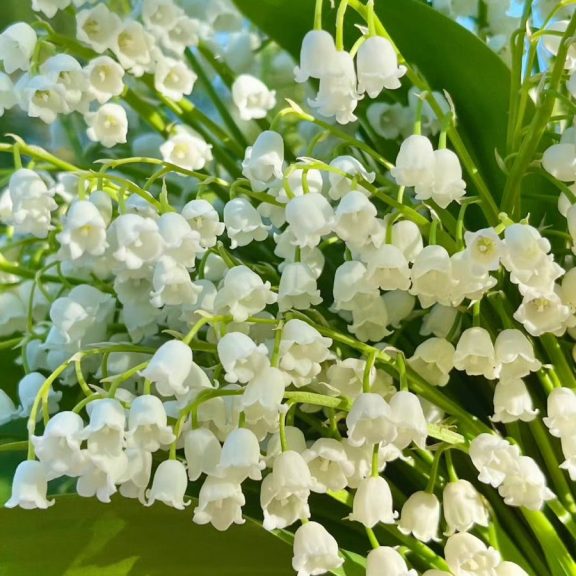
Fresh lily of the valley flowers are available for only a brief period each year, so gifts inspired by the flower often become more practical—and longer lasting—than a traditional bouquet.
Some thoughtful alternatives include:
- Botanical artwork or framed illustrations that celebrate the flower’s delicate bell-shaped blooms.
- Birth flower jewellery engraved or designed with the lily of the valley for a keepsake that can be worn every day.
- Home décor and embroidered linens featuring the flower as a subtle reminder of June birthdays or meaningful milestones.
- A carefully sourced garden plant for someone with a suitable shaded space who would enjoy seeing it return each spring.
All 24 Blooms
Explore More Birth Flowers
FAQ
Frequently Asked Questions About Lily of the Valley
No. Its botanical name is Convallaria majalis, and it belongs to a different botanical group from true lilies in the genus Lilium.
Its late-spring and early-summer flowering period overlaps with June in many temperate regions. Floral traditions also connect it with renewal and returning happiness.
Traditional meanings include happiness returning, humility, purity, renewal, and gentle affection.
Yes. Every part of the plant is poisonous if eaten, including its berries and underground growth.
Yes. It often performs well beneath deciduous trees where it receives spring light followed by summer shade.