Morning Glory: September's Climbing Birth Flower
There’s something remarkable about a flower that greets the sunrise each morning. The Morning Glory is one of September’s official birth flowers, admired for its climbing vines and trumpet-shaped blooms that unfurl with the first light of day. By afternoon, many of those flowers have already closed, only to be replaced by fresh blossoms the next morning.
AT A GLANCE
Love, admiration, devotion.
A cherished flower for celebrating life's special moments.
Why Morning Glories Bloom with the Sunrise
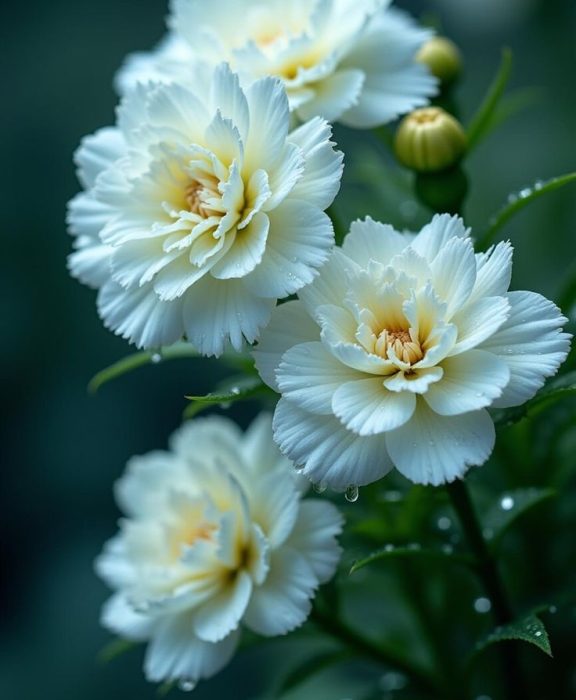
Each bloom responds to natural changes in light. As dawn arrives, the petals gradually unfurl to welcome the cooler temperatures and gentle morning sun. This timing allows the flowers to attract pollinators when conditions are most favorable and before the stronger afternoon heat begins to dry delicate petals.
As daylight intensifies, wide varieties slowly close their blooms. While each individual flower may only remain open for part of a day, the vine continuously produces new buds, creating weeks or even months of colorful displays.
Their climbing habit is equally impressive. Instead of spreading across the ground, morning glories naturally twine around nearby supports, quickly covering fences, pergolas, trellises, and garden arches with lush foliage and seasonal blooms.
Gardeners value this growth because it allows a single plant to:
- Create natural privacy screens.
- Add vertical interest without taking up much ground space.
- Soften walls, fences, and outdoor structures.
- Produce abundant flowers over an extended season.
Guide to the Morning Glory
How to Recognize a Morning Glory
Morning glories are easy to identify thanks to their distinctive climbing habit and short-lived but striking flowers. Look for these characteristics:
- Trumpet-shaped blooms that open with the morning sun and often close by afternoon.
- Heart-shaped leaves growing along slender, twining vines.
- Fast-growing stems that naturally wrap around trellises, fences, arches, and other supports.
- Bright, vibrant colours, including blue, purple, pink, white, magenta, and bicoloured varieties.
- Round seed pods that develop after flowering and may produce new plants the following season.
These features make morning glory one of the easiest flowering vines to recognize in late-summer and early-autumn gardens.
Morning Glory Colors and Their Meanings
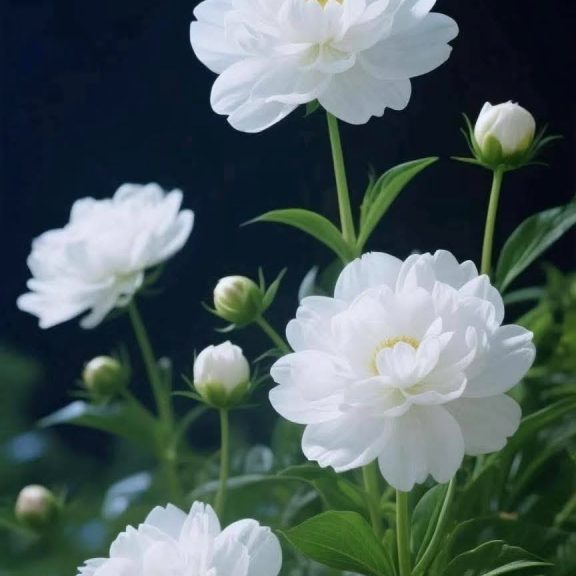
Each flower color brings its own traditional symbolism while reflecting the plant’s reputation for fresh starts and optimism.
Flower Color | Traditional Meaning | Popular Occasion |
Blue | Peace, trust, calm | Encouragement and thoughtful gifts |
Purple | Creativity, wisdom, admiration | Artistic achievements and milestones |
Pink | Affection, joy, gentle appreciation | Birthdays and friendships |
White | Sincerity, hope, new beginnings | Housewarmings and life transitions |
Magenta | Confidence, enthusiasm, and personal growth | Celebrating success and fresh opportunities |
Why Morning Glory Never Looks the Same Two Days in a Row
Unlike many flowering plants that keep the same blooms for several days, morning glory constantly renews its display. Individual flowers usually open with the sunrise, fade by afternoon, and are replaced by fresh blossoms the following morning.
This daily succession means the vine is always changing. New buds open while older flowers disappear, so no two mornings look exactly alike. A mature plant can continue producing waves of blooms for weeks, giving the impression that the garden is continually refreshing itself.
That rhythm has become one of the flower’s defining characteristics. Rather than symbolizing permanence, morning glory reminds us that beauty can be found in beginnings, fresh opportunities, and the simple promise of another day.
More Than a Flower: How Morning Glory Transforms Outdoor Spaces
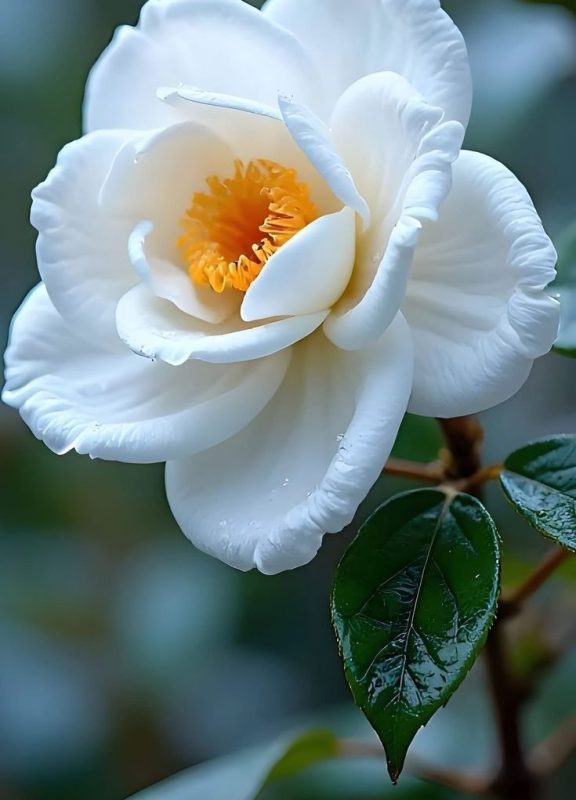
Morning glory is valued as much for what it covers as for the flowers themselves. Fast-growing vines can quickly soften structures that might otherwise look plain or unfinished, turning them into living features throughout the growing season.
Morning glories are commonly used to:
- Cover fences with seasonal flowers and lush green foliage.
- Climb pergolas and arches to create colourful garden entrances.
- Add privacy to patios, balconies, and outdoor seating areas.
- Shade trellises while taking up very little ground space.
- Brighten sheds, walls, and other hard structures with natural colour.
- Introduce vertical interest where planting space is limited.
Because the vines grow quickly and bloom continuously through much of the season, even a simple support can become a striking focal point by late summer.
Interesting Facts About the Morning Glory
- Most garden varieties belong to the genus Ipomoea, part of the Convolvulaceae (bindweed) family.
- Their flowers naturally open in response to changing light and temperature.
- Bees, butterflies, and hummingbirds regularly visit morning glory blooms for nectar.
- Many species originated in tropical and subtropical regions before becoming popular worldwide.
- Mature plants produce seed pods that readily reseed in favorable conditions.
- Some varieties can climb more than 10 feet during a single growing season.
- Different cultivars bloom in shades ranging from deep violet to brilliant sky blue and pure white.
All 24 Blooms
Explore More Birth Flowers
FAQ
Frequently Asked Questions - Morning Glory Birth Flower
Morning glory reaches its peak flowering period during late summer and early autumn. Its dependable blooms throughout September and its symbolism of renewal make it one of the month's official birth flowers.
The flowers respond to natural changes in light and temperature. Most varieties open shortly after sunrise to attract early pollinators, then gradually close as the day becomes warmer and brighter.
It depends on the climate and species. In cooler regions, most are grown as annuals, while tropical and frost-free areas may support perennial varieties.
Yes. Morning glories perform well in large containers provided they have good drainage, regular watering, and a sturdy support for climbing.
Yes, a wide variety of flowers are known to attract the hummingbirds. Their trumpet-shaped flowers are especially attractive to hummingbirds, while bees and butterflies also visit the blooms for nectar throughout the flowering season.