April Birth Flowers: Meanings, Symbolism, and Daily Birthday Flowers
April brings a noticeable change to the garden. Lawns begin to flower, fruit trees fill with blossom, and climbing plants start reaching for the brighter days ahead. The month’s two traditional birth flowers, the daisy and sweet pea, capture this fresh, lively stage of spring in very different ways.
Renewal, happiness, hope.
Daffodil symbolizes renewal and fresh beginnings.
Jonquil represents affection, friendship, and joy.
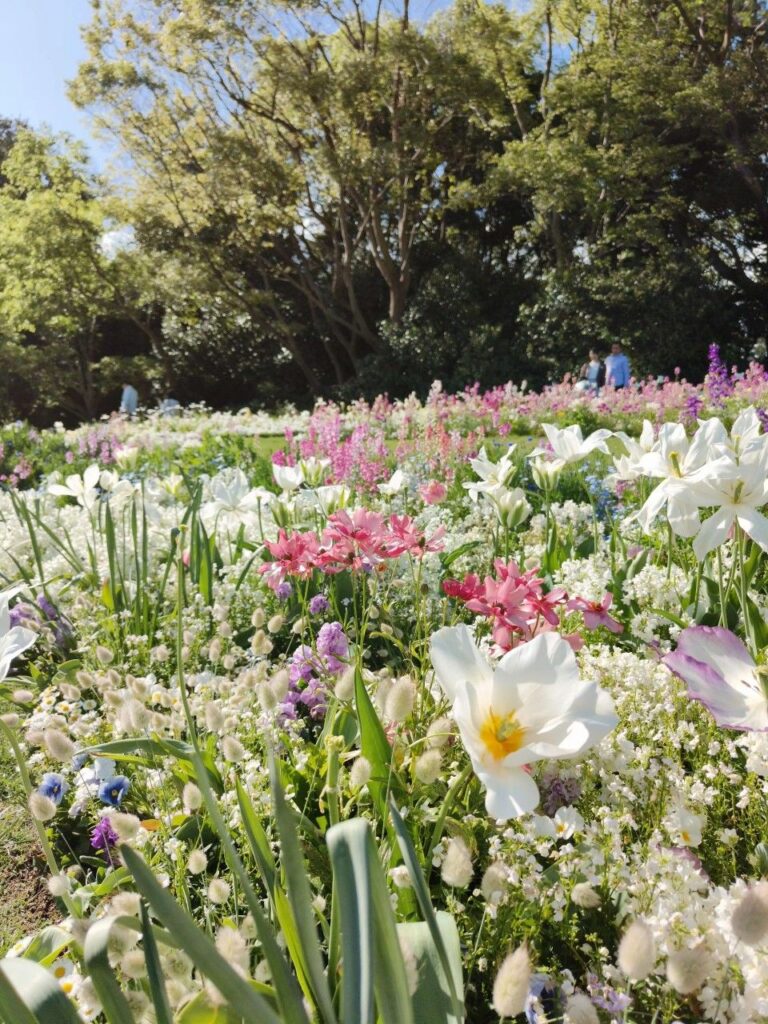
April Birth Flowers at a Glance
- Primary April birth flower: Daisy
- Secondary April birth flower: Sweet pea
- Key meanings: Innocence, loyal love, gratitude, pleasure, gentleness
- Common daisy colors: White, yellow, pink, red and cream
- Common sweet pea colors: White, pink, lavender, purple, blue, peach and burgundy
- Typical flowering period: Spring into summer, depending on the variety and climate
Readers exploring the wider calendar can also browse all Birth Month Flowers or compare April with the March Birth Flowers and May Birth Flowers.
Daisy: April’s Cheerful Birth Flower
The daisy has a bright yellow center surrounded by a neat circle of petals, usually white but sometimes flushed with pink or red. What appears to be one bloom is actually a flower head made from numerous tiny individual flowers packed together.
Common daisies grow close to the ground and begin flowering during the spring season, with blooming often continuing well into summer. Their ability to appear in lawns, paths, meadows, and garden borders gives them an easy familiarity that more formal flowers rarely possess.
In traditional flower language, daisies carry ideas of innocence, gentleness, purity, patient affection, and loyal love. Their straightforward appearance also suits birthdays celebrating honesty, optimism, or a fresh chapter in life.
Daisies are especially fitting for:
- Friendly birthday arrangements
- Gifts for younger family members
- Celebrations of a new beginning
- Relaxed spring bouquets
- Potted plants for patios and windowsills
The daisy’s link with April comes naturally. It is one of the small flowers that makes spring feel established rather than merely promised. Explore the flower in more detail in the complete April daisy guide.
Sweet Pea: April’s Fragrant Birth Flower
Sweet peas grow as slender annual vines, using curling tendrils to climb supports. Their ruffled flowers resemble small butterflies or folded fabric and may appear in soft pastels, rich jewel tones, or multicolored combinations.
The botanical name Lathyrus odoratus points to the flower’s defining quality: fragrance. Many varieties have a warm, honeyed scent, although its strength differs between cultivars. Sweet peas commonly flower from late spring into summer and can climb several feet during a single growing season.
Their traditional meanings include blissful pleasure, gratitude, delicate enjoyment, and a fond farewell. That combination makes sweet peas useful for birthdays that also mark a move, graduation, retirement, or another meaningful transition.
Their place in April’s birth-flower tradition reflects the month’s increasing warmth and the anticipation of the flowering season ahead. Read more about the sweet pea birth flower.
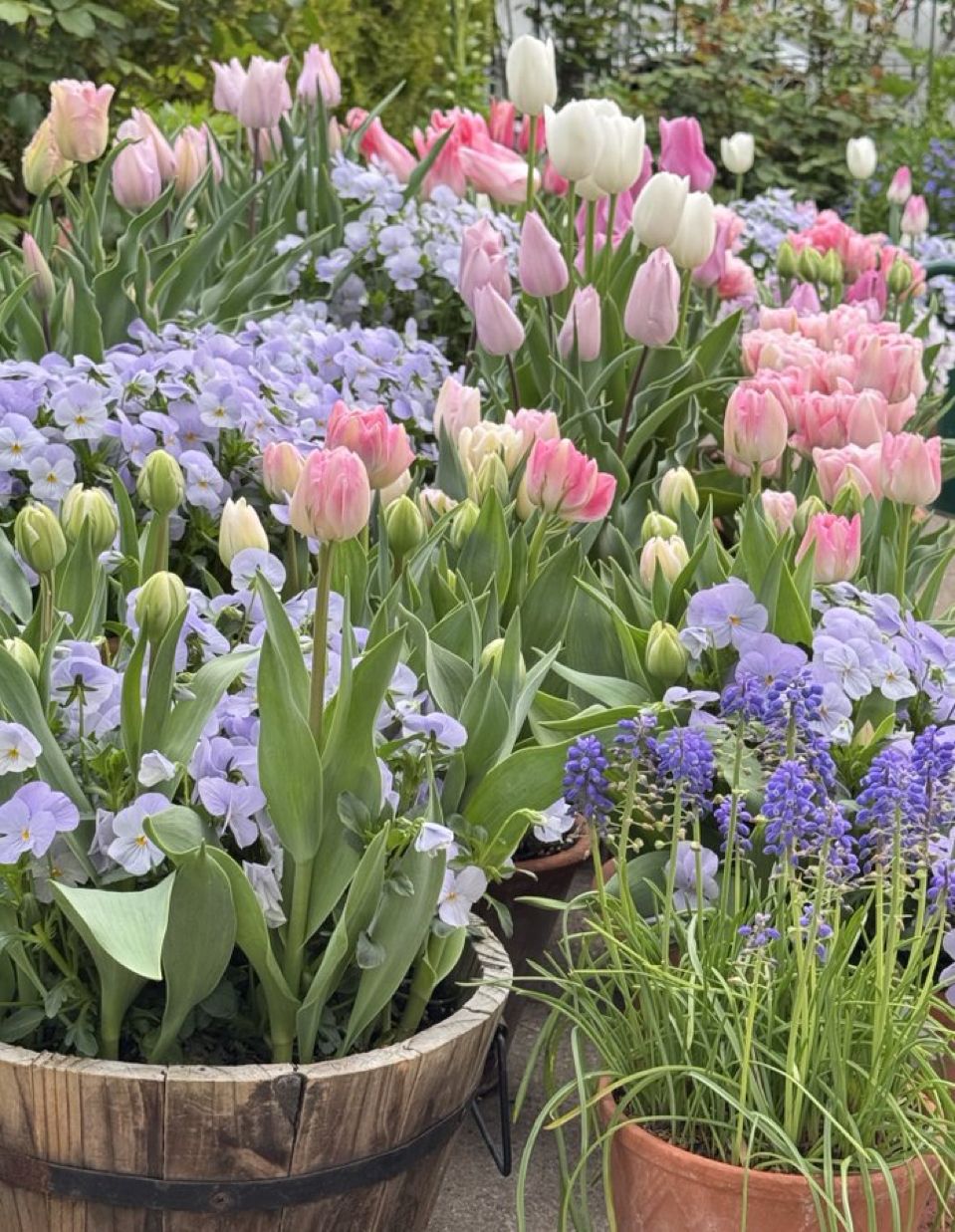
Flowers That Thrive During Spring Showers
April weather rarely settles into one mood. A bright morning may give way to cool rain, while sudden warmth can bring several plants into flower at once. That instability is part of what makes the month’s floral calendar so varied.
Daisies respond quickly to longer days and mild spring conditions. Sweet peas prefer cooler growing weather and benefit from consistent moisture, provided their roots are not left in waterlogged soil. Bulbs such as daffodils and fritillaries use moisture stored in the ground to complete their spring display, while almond, peach, pear, and cherry trees cover bare branches with blossom before their leaves fully develop.
This mixture explains why April’s daily birth flowers include more than conventional bouquet blooms. The calendar contains:
- Fruit-tree blossoms that appear before summer foliage
- Woodland plants adapted to cool, damp ground
- Bulbs that complete most of their growth in spring
- Climbers preparing for the warmer months
- Ferns and moisture-loving plants suited to shaded places
Rain alone does not guarantee healthy flowers. Most spring plants still need drainage, air movement, and occasional sunlight. April’s strongest blooms are therefore not simply “rain-loving”; they are plants adapted to shifting conditions.
That makes the month distinct. April is less about one established floral season and more about the point where several seasons briefly overlap.
Birth Flowers for Every Day in April
An older floral tradition assigns a specific bloom to every calendar day. Find your birthday below and the meaning it carries.
April 1
April 1st Birth Flower: Almond
Almond trees produce pale pink or white blossoms before their narrow leaves fully open. Flowering almond has traditionally conveyed hope, promise, and the early return of spring.
April 2
April 2nd Birth Flower: Windflower
Windflower is a familiar name for anemones, whose open blooms sit above finely divided foliage. Its flower-language theme is anticipation, fitting a plant whose petals seem responsive to every passing breeze.
APRIL 3
April 3rd Birth Flower: Daffodil
The daffodil is identified by its central trumpet surrounded by six outer segments. As one of spring’s most recognizable bulbs, it conveys respect, renewal, and the confidence to begin again.
APRIL 4
April 4th Birth Flower: Red Anemone Flower: Raspberry
Red anemones bring vivid color through silky petals and a dark central eye. Traditional interpretations connect the flower with powerful but sometimes forsaken affection, giving it a more dramatic meaning than the gentler windflower.
APRIL 5
April 5th Birth Flower: Fig
A fig’s tiny flowers develop inside the hollow structure that later becomes the fruit, making its flowering process largely invisible. The plant carries themes of fertility, abundance, longevity, and a productive life.
APRIL 6
April 6th Birth Flower: Adonis
Adonis flowers are usually brilliant yellow or red and open above finely cut leaves. Classical mythology and Victorian flower lists connect the plant with sorrowful remembrance and affection that survives loss.
APRIL 7
April 7th Birth Flower: Maidenhair Fern Bittercress
Maidenhair fern has delicate, fan-shaped leaflets held on polished dark stems. It does not produce conventional flowers, but its graceful foliage has been linked with discretion, sincerity, purity, and quiet confidence.
APRIL 8
April 8th Birth Flower: Scotch Broom
Scotch broom covers its upright green stems with pea-shaped yellow flowers. Older flower dictionaries assigned it the qualities of humility and neatness, while its strong spring display gives those modest ideas a cheerful appearance.
APRIL 9
April 9th Birth Flower: Cherry Blossom
Cherry blossom appears in brief clouds of white or pink before falling almost as quickly as it arrived. It is closely tied to gentleness and the temporary nature of beauty, particularly within Japanese cultural tradition.
APRIL 10
April 10th Birth Flower: Periwinkle
Periwinkle forms trailing mats of glossy leaves and five-petaled blue, violet, or white flowers. Its established meanings include sincere friendship and tender memories of people or moments held close.
APRIL 11
April 11th Birth Flower: Jacob’s Ladder
Jacob’s ladder has paired leaflets arranged like the steps of a ladder and clusters of blue or violet flowers. Victorian lists gave it the unusual message “come down,” which can be read today as a reminder to remain grounded.
APRIL 12
April 12th Birth Flower: Peach
Long, flexible branches give the weeping willow its unmistakable curtain-like shape. It speaks to emotional awareness, the creation of secure foundations, and honest relationships in which people can speak openly.
APRIL 13
April 13th Birth Flower: Goldenmane Tickseed
Goldenmane tickseed produces sunny yellow rays around a dark maroon center. Coreopsis flowers are traditionally read as “always cheerful,” and this annual wildflower can create impressive spring displays.
APRIL 14
April 14th Birth Flower: White Morning Glory
White morning glory opens a clean, trumpet-shaped bloom, often early in the day. Morning glories carry a message of affection, while the white coloring adds a feeling of calm, sincerity, and a clear beginning.
APRIL 15
April 15th Birth Flower: Orchid
Orchids are distinguished by complex, highly specialized flowers, including a central lip that helps guide pollinators. Their traditional themes include refined beauty, admiration, durability, and appreciation for something genuinely distinctive.
APRIL 16
April 16th Birth Flower: Tulip
Tulips rise from bulbs with smooth leaves and neatly cupped flowers. Across different colors they carry several messages, but love, warmth, and open emotional expression remain their most familiar themes.
APRIL 17
April 17th Birth Flower: German Iris
The German iris displays upright petals above lower, falling petals marked by a soft “beard.” Historical flower dictionaries gave this particular iris the meaning of flame, matching its striking shape and intense coloring.
APRIL 18
April 18th Birth Flower: Milkvetch
Milkvetch belongs to a large group of pea-family plants with clustered, often pink or purple flowers. In traditional floriography, it carries the tender message that someone’s presence can ease pain.
APRIL 19
April 19th Birth Flower: Larkspur
Larkspur grows in tall spires filled with irregular, spurred flowers. Its meanings include lightness, an open heart, and a spirited personality, although some historical interpretations also warn of fickleness.
APRIL 20
April 20th Birth Flower: Pear
Pear blossom covers branches with clusters of crisp white flowers in spring. It has been used to communicate lasting friendship, comfort, and dependable affection rather than dramatic romance.
APRIL 21
April 21st Birth Flower: Weeping Willow
The weeping willow is recognized by its long, flexible branches and narrow leaves that hang toward the ground. Its traditional connection with mourning gives it a reflective meaning centered on remembrance and emotional depth.
APRIL 22
April 22nd Birth Flower: China Aster
China asters form full, daisy-like heads in shades ranging from white and pink to purple and deep red. Their flower-language messages include fidelity, thoughtful remembrance, and an appreciation for variety.
APRIL 23
April 23rd Birth Flower: Balloon Flower Gladiolus
Before opening, the balloon flower’s buds swell into rounded pockets that resemble tiny inflated balloons. Once open, they become broad blue, purple, pink, or white bells and carry meanings of honesty and enduring love.
APRIL 24
April 24th Birth Flower: Regal Geranium
Regal geraniums, more accurately called regal pelargoniums, produce large patterned flowers with dark markings across their upper petals. Their polished appearance suits traditional geranium themes of gentility, confidence, and determination.
APRIL 25
April 25th Birth Flower: Fritillaria Thunbergii
Fritillaria thunbergii bears nodding cream or pale yellow bells, sometimes marked with purple, and uses tendril-like leaf tips for support. It flowers in spring and offers an unusual choice for someone who values individuality and botanical detail.
APRIL 26
April 26th Birth Flower: Japanese Cress
Japanese cress is a moisture-loving East Asian plant with light green, rounded leaves and small flowers from the mustard family. Traditional cress meanings center on resolution, stability, and inner strength.
APRIL 27
April 27th Birth Flower: Water Lily
Water lilies hold rounded leaves at the water’s surface and raise their many-petaled flowers above or directly upon it. Their calm appearance has made them enduring emblems of purity of heart, eloquence, and renewal.
APRIL 28
April 28th Birth Flower: Japanese Primrose
Japanese primrose sends up tiers of pink, white, or reddish flowers above a base of crinkled leaves. Primroses are connected with youth, early affection, childhood memories, and love that feels essential.
APRIL 29
April 29th Birth Flower: Camellia
Camellias have glossy evergreen leaves and symmetrical, rose-like flowers with a smooth, almost sculpted finish. They express admiration, steadfastness, excellence, and affection offered without showiness.
APRIL 30
April 30th Birth Flower: Golden Chain
Golden chain, or laburnum, hangs long clusters of bright yellow pea-shaped flowers from its branches. Older flower dictionaries described it as “pensive beauty,” an unexpectedly thoughtful ending to April’s lively calendar.
All 24 Blooms
Explore More Birth Flowers
FAQ
Frequently asked
The daisy brings themes of innocence, gentleness, fidelity, and loyal love. Sweet peas communicate blissful pleasure, gratitude, delicacy, and fond farewells. .
Yes. Daisy and sweet pea apply to April as a whole, while the daily calendar gives every date its own flower. Someone born on April 23rd, for example, has balloon flower as a daily flower while still sharing daisy and sweet pea as monthly birth flowers.
They can. Flower calendars are influenced by regional bloom times, folklore, historical flower dictionaries, and local gift customs. Daisy and sweet pea are common in English-language April guides, but daily lists may differ substantially.
Daisies are the easiest choice for a lively, widely available bouquet. Sweet peas are ideal when fragrance and seasonality matter, while the recipient’s daily flower creates the most personalized gift.
No. Ornamental sweet peas are not the same as edible peas and should not be eaten. They should be treated as decorative flowers and kept away from children or animals likely to chew the plant.